Author: admin

  • Smarter Systems for Modern Music Teaching and Learning 

    Smarter Systems for Modern Music Teaching and Learning 

    Music education today is no longer limited to chalkboards, notebooks, and manual scheduling. Teachers and academies are now expected to manage classes, track student progress, handle communication, and even oversee payments all while still focusing on what truly matters: teaching music.

     For many educators, this growing complexity can feel overwhelming and time-consuming. This is where digital transformation is quietly reshaping the experience.

    With the rise of modern tools like music teacher studio software, educators are now able to streamline their entire teaching workflow in one place. Instead of juggling multiple apps or relying on manual processes, everything from scheduling lessons to tracking student performance can be managed more efficiently.

    The real benefit is not just convenience, but the ability to spend more meaningful time with students and improve learning outcomes without administrative distractions.

    The Changing Face of Music Education

    Music education has evolved significantly over the past decade. Traditional studios once relied heavily on registers, phone calls, and manual coordination. While this worked in smaller setups, it quickly became inefficient as academies expanded and student numbers increased.

    Today, learners and parents expect structure, transparency, and instant updates. Teachers need systems that reduce confusion, improve organisation, and bring clarity to everyday operations. This shift has pushed music institutions toward digital adoption, making management more streamlined and scalable.

    The focus is no longer only on teaching music; it is also about creating a well-organised ecosystem that supports both learning and administration together.

    Why Structure Matters in Music Studios

    Running a music studio involves more than just conducting lessons. It requires managing schedules, students, communication, and performance tracking. Without proper structure, even experienced educators can face challenges in maintaining consistency.

    Poor organisation often leads to missed classes, unclear communication, and unnecessary stress. On the other hand, a structured system helps create discipline and clarity across the entire academy.

    This is where digital transformation plays a crucial role. Modern systems ensure that every aspect of a studio operates smoothly and efficiently, allowing teachers to focus more on teaching rather than administration.

    Centralized Management for Better Control

    One of the biggest advantages of modern education systems is centralisation. Instead of using separate tools for attendance, scheduling, and communication, everything is managed through a single platform.

    A music studio teacher overview portal helps educators and administrators get a complete picture of their operations in one place. It allows real-time access to student progress, class schedules, and performance updates.

    This centralised approach improves efficiency and reduces confusion across the academy. It also ensures that teachers, students, and parents stay aligned at all times, improving overall coordination and trust.

    Improving Teaching Efficiency

    Technology is not replacing teachers; it is empowering them. When administrative tasks are reduced, educators gain more time to focus on actual teaching and student development.

    Teachers can better track progress, identify learning gaps, and adjust teaching methods based on individual student needs. This makes learning more personalised and effective.

    It also improves consistency in teaching, ensuring that students receive structured guidance at every stage of their learning journey. Over time, this leads to better results and stronger student engagement.

    Enhancing Communication Across Stakeholders

    Communication is one of the most important aspects of any music academy. Without proper communication channels, misunderstandings and delays can occur easily.

    Modern platforms provide structured communication systems that allow teachers to share updates, feedback, and progress reports efficiently. This ensures that students and parents remain informed throughout the learning process.

    Instead of scattered messages, everything is organised in one place, making communication clearer and more reliable.

    The Role of Integrated Systems in Growth

    As academies grow, managing operations manually becomes increasingly difficult. Growth brings more students, more classes, and more complexity. Without proper systems, scalability becomes a major challenge.

    A music academy software solution helps overcome this by providing a structured and scalable platform for management. It supports multiple functions within a single system, ensuring smooth operations even as the academy expands.

    Key advantages include the following:

    • Better coordination between teachers and students
    • Simplified batch and schedule management
    • Reduced administrative workload
    • Improved scalability for growing academies

    These systems allow music institutions to grow without losing control over quality and organisation.

    Benefits for Students and Parents

    Digital systems are not just beneficial for teachers; they also improve the experience for students and parents.

    Students receive structured learning paths, clear schedules, and better tracking of their progress. This helps them stay motivated and focused throughout their journey.

    Parents, on the other hand, gain transparency and regular updates about their child’s performance. This builds trust and keeps them actively involved in the learning process.

    Together, this creates a more connected and supportive educational environment.

    Reducing Administrative Burden

    One of the most time-consuming aspects of running a music academy is administration. Tasks like attendance tracking, scheduling, and communication often take up valuable teaching time.

    By using structured systems, these tasks become more automated and organised. This significantly reduces workload and allows educators to focus on what they do best: teaching music.

    The result is a more balanced and productive working environment for everyone involved.

    Building a Future-Ready Music Academy

    The future of music education is clearly moving toward digital-first systems. Academies that adapt early will have a strong advantage in terms of efficiency, scalability, and student satisfaction.

    By embracing structured platforms, music studios can improve operational efficiency, deliver better learning experiences, strengthen communication, and support long-term growth. This transformation is not just about technology; it is about creating a more sustainable and effective learning ecosystem.

    Conclusion

    Modern music education requires more than talent and traditional teaching methods. It demands structure, organisation, and smart systems that support both educators and learners.

    Digital transformation is helping academies simplify operations, improve communication, and enhance learning experiences. By adopting the right tools, music studios can create a more efficient, connected, and future-ready environment.

    Ultimately, the goal is simple to make music education more focused, organised, and impactful for everyone involved.

    For music educators and academies, music education today requires better structure and smoother management of daily teaching activities. Mousiki is a platform designed for music teachers, studios, and academies to manage scheduling, students, and communication in one place. For Students and Parents It improves clarity by keeping learning progress and updates easy to follow. 

  • How Modern Driving Education Platforms Simplify Learning to Drive

    How Modern Driving Education Platforms Simplify Learning to Drive

    Learning to drive is no longer limited to traditional classroom-based instruction or rigid schedules. Today’s digital-first approach has completely reshaped the way people experience driver education, making it more flexible, structured, and learner-friendly.

    With busy routines, students, working professionals, and even new parents now prefer platforms that offer guided, on-demand learning experiences. Modern driving education systems focus on accessibility, personalized training, and real-world readiness, helping learners gain confidence at their own pace instead of feeling rushed or overwhelmed.

    Evolution of Driving Education in the Modern Era

    Driving education has evolved significantly over the years. Earlier, learning to drive meant fixed schedules, limited availability of instructors, and less flexibility in practice sessions.

    Today, platforms use structured learning models combined with digital tools to improve understanding and skill-building.

    Key improvements include:

    • Flexible scheduling for lessons
    • Online learning support modules
    • Structured step-by-step training
    • Real-time progress tracking

    This evolution has made learning more accessible for individuals with different lifestyles and commitments.

    Why Modern Learners Prefer Digital Driving Platforms

    Modern learners value convenience and clarity. Driving platforms are designed to match these expectations by offering simplified and guided learning experiences.

    Major reasons for growing preference:

    • Easy booking of lessons anytime
    • Personalized learning pace
    • Clear progress feedback
    • Better instructor communication

    These features help learners feel more comfortable and confident during their driving journey.

    Structured Learning Approach for Better Understanding

    One of the biggest advantages of modern platforms is structured learning. Instead of random practice sessions, learners follow a step-by-step curriculum.

    This typically includes:

    • Basic vehicle control
    • Road safety rules
    • Traffic awareness
    • Parking and maneuvering skills
    • Real-world driving practice

    This structured approach ensures that learners build strong foundational skills before moving to advanced driving techniques.

    Role of Professional Instructors in Learning

    Professional instructors play a key role in shaping safe and confident drivers. Modern platforms connect driver education with trained instructors who provide clear guidance and real-time feedback.

    Instructor support includes:

    • Personalized lesson plans
    • On-road correction and feedback
    • Safety-focused training methods
    • Confidence-building exercises

    This ensures learners are not just passing tests but becoming responsible drivers.

    In addition, many instructors now use digital dashboards to track learner progress, making sessions more focused and result-oriented.

    Flexible Learning for Busy Lifestyles

    Modern driving platforms are especially helpful for people with busy routines, including students, working professionals, and new parents managing daily responsibilities.

    Flexibility benefits include:

    • Weekend and evening classes
    • On-demand lesson scheduling
    • Remote theory learning options
    • Adjustable training pace

    This flexibility ensures that learning to drive fits smoothly into different lifestyles without stress or disruption.

    Technology in Driving Education

    Technology has significantly improved how driving skills are taught and learned. Digital tools make training more interactive and effective.

    Key technological features:

    • Simulation-based practice tools
    • Mobile learning applications
    • GPS-based tracking during lessons
    • Digital progress reports

    Some platforms even allow learners to revisit past lesson recordings, helping them correct mistakes and reinforce learning at their own pace.

    Building Confidence on the Road

    Confidence is one of the most important aspects of learning to drive. Modern platforms focus heavily on helping learners feel comfortable behind the wheel.

    Confidence-building methods include:

    • Gradual exposure to traffic conditions
    • Repeated practice of key skills
    • Supportive instructor feedback
    • Real-time correction techniques

    As learners progress, they become more comfortable handling real traffic situations, which significantly reduces anxiety during independent driving.

    Importance of Safety-Focused Training

    Safety is at the core of driving education. Platforms emphasize responsible driving habits from the beginning.

    Safety training includes:

    • Understanding traffic laws
    • Defensive driving techniques
    • Hazard awareness
    • Emergency handling basics

    This ensures that learners not only pass driving tests but also develop long-term responsible driving behavior that enhances road safety for everyone.

    Personalized Learning Experience

    Every learner has a different pace of understanding. Modern platforms adapt training based on individual progress.

    Personalized learning benefits:

    • Customized lesson plans
    • Focus on weak areas
    • Flexible revision sessions
    • Adaptive training schedules

    This ensures that learners receive targeted support where it is needed most, improving both efficiency and confidence.

    Real-World Driving Preparation

    Modern driving education is designed to prepare learners for real-life road conditions, not just tests.

    Real-world preparation includes:

    • City driving practice
    • Highway driving exposure
    • Parking in different environments
    • Navigating traffic scenarios

    This practical exposure helps learners transition smoothly from training environments to independent driving.

    Emotional Comfort and Stress-Free Learning

    Many learners feel nervous when starting to drive. Modern platforms focus on reducing this stress through supportive teaching methods.

    Support includes:

    • Calm and patient instruction
    • Gradual learning progression
    • Positive reinforcement
    • Comfortable practice environments

    This helps learners stay relaxed, focused, and more open to learning from mistakes without pressure.

    The Role of Community and Peer Learning

    Some modern platforms also introduce community-based learning features where learners can share experiences, tips, and progress.

    Benefits include:

    • Shared learning experiences
    • Motivation through peer progress
    • Discussion forums for doubts
    • Encouragement through group milestones

    This adds a social learning dimension that makes the process more engaging and less isolating.

    The Future of Driving Education

    Driving education continues to evolve with advancements in technology and teaching methods.

    Future trends include:

    • AI-based driving assessment tools
    • Virtual reality driving simulations
    • Smart learning dashboards
    • Fully digital licensing preparation systems

    These innovations will make learning even more efficient, personalized, and accessible for all learners.

    Role of Modern Platforms in Skill Development

    Modern driving platforms are not just about passing tests; they focus on long-term skill development.

    Key focus areas:

    • Responsible driving habits
    • Real-world decision-making
    • Situational awareness
    • Continuous skill improvement

    This ensures learners become confident, independent, and safety-conscious drivers for life.

    Conclusion

    Modern driving education platforms have transformed the learning experience by making it more flexible, structured, and learner-focused. With technology, personalized instruction, and safety-first approaches, learners can now build strong driving skills at their own pace.

    For individuals exploring structured and flexible training options, learn how to drive classes offered through modern platforms continue to make driving education more approachable and effective than ever before. Institutions like Drivisa play an important role in this transformation by offering structured learning programs, professional instruction, and digital tools designed to simplify the learning journey. According to its official website, Drivisa focuses on making driver training accessible, efficient, and confidence-building for learners at every stage.

  • Engineering Relaxation: The Role of Quality Design in Therapy Experiences

    Engineering Relaxation: The Role of Quality Design in Therapy Experiences

    The wellness and therapy industry has evolved significantly, shifting from basic comfort solutions to highly engineered relaxation environments. Today, design plays a crucial role in shaping how individuals experience therapy, recovery, and rejuvenation. Every element, from structure to materials, contributes to the overall effectiveness of therapeutic sessions. This transformation has made ergonomic innovation and precision engineering essential in wellness spaces.

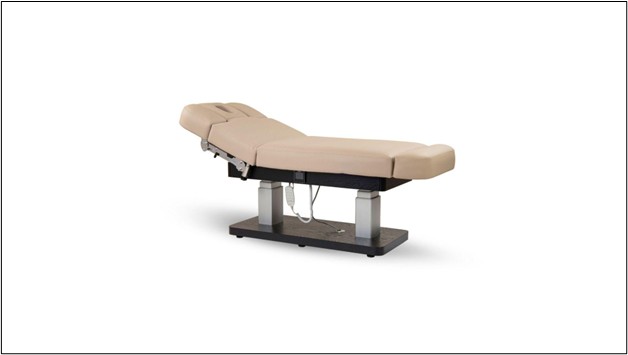
    Among the most important components of this evolution are Spa Massage Tables, which serve as the foundation of professional therapy environments. These tables are no longer just functional equipment; they are carefully designed systems that enhance comfort, support posture, and improve the overall effectiveness of massage and spa treatments. Their design directly influences client satisfaction and therapeutic outcomes.

    Enhancing Wellness Environments with Spa Massage Tables Designed for Ultimate Comfort and Performance

    Modern therapy spaces rely heavily on ergonomically designed equipment. Spa Massage Tables are central to delivering comfort, stability, and a high-quality therapeutic experience for clients and professionals alike.

    1. Ergonomic Design for Body Support

    Ergonomic design is essential in ensuring proper body alignment during therapy sessions. High-quality massage tables are designed to support natural body curves, reducing pressure points and enhancing relaxation. This thoughtful construction allows therapists to work efficiently while ensuring clients remain comfortable throughout the session, improving overall treatment effectiveness and satisfaction.

    2. Adjustable Features for Personalized Comfort

    Modern massage tables come with adjustable height, headrests, and sections that allow customization based on client needs. These features ensure that therapists can modify the setup for different treatments, improving accessibility and comfort. Adjustable designs enhance flexibility, making therapy sessions more efficient and tailored to individual preferences.

    3. Durable Materials for Long-Term Use

    Durability is a key factor in professional wellness equipment. High-quality materials such as reinforced wood, aluminum frames, and premium upholstery ensure long-lasting performance. These materials not only withstand frequent use but also maintain structural integrity, making them a reliable investment for spas and therapy centers.

    4. Enhanced Client Comfort Experience

    Comfort is the foundation of any successful therapy session. Well-designed tables provide cushioning and support that reduce discomfort during extended treatments. Soft padding and breathable materials enhance relaxation, allowing clients to fully benefit from therapeutic services without distraction or discomfort.

    5. Portability and Practical Functionality

    Many modern massage tables are designed to be portable, allowing therapists to offer mobile services. Lightweight yet sturdy construction ensures easy transportation without compromising stability. This flexibility is particularly beneficial for professionals who provide on-site therapy or travel-based services.

    6. Aesthetic Integration in Wellness Spaces

    Beyond functionality, design aesthetics play a significant role in creating a calming environment. Stylish massage tables complement spa interiors, enhancing the overall ambiance. A visually appealing setup contributes to a more relaxing and immersive client experience.

    Innovative Design Approaches in Spa Furniture for Enhanced Therapeutic Experiences

    The evolution of wellness design emphasizes both functionality and aesthetics. Thoughtfully designed equipment enhances therapy outcomes and improves overall user experience.

    1. Integration of Modern Technology

    Advanced spa furniture now includes features like heating systems, electric adjustments, and memory settings. These technologies enhance comfort and provide a more personalized therapy experience.

    2. Focus on Hygiene and Maintenance

    Easy-to-clean surfaces and antimicrobial materials ensure hygiene standards are maintained. This is essential in professional wellness environments where cleanliness is a top priority.

    3. Customizable Design Options

    Spa furniture can be customized to match interior themes and functional requirements. Custom designs help create a cohesive and professional wellness environment.

    4. Sustainability in Material Selection

    Eco-friendly materials are increasingly used in spa furniture design. Sustainable choices reduce environmental impact while maintaining high performance and durability.

    5. Enhanced Structural Stability

    Strong frameworks ensure safety during therapy sessions. Stability is critical for both client comfort and therapist efficiency.

    6. User-Centered Design Philosophy

    Modern spa equipment is designed with both therapist and client needs in mind. This dual focus ensures maximum efficiency and comfort.

    The Science Behind Comfort: Engineering Wellness Through Thoughtful Therapy Design

    Wellness design is deeply rooted in science, combining ergonomics, psychology, and material engineering to create effective therapy environments.

    1. Pressure Distribution Technology

    Advanced cushioning systems help distribute body weight evenly, reducing stress on pressure points and enhancing relaxation during therapy.

    2. Temperature and Sensory Comfort

    Some designs incorporate temperature control features to enhance relaxation. This adds a sensory layer to therapy sessions, improving effectiveness.

    3. Acoustic and Environmental Harmony

    Well-designed spa environments reduce noise and distractions, creating a peaceful atmosphere that supports relaxation and healing.

    4. Structural Engineering for Stability

    Precision engineering ensures that spa furniture remains stable under varying loads, providing safety and reliability during use.

    5. Psychological Impact of Design

    A well-designed environment positively influences mental relaxation, helping clients feel more at ease during therapy sessions.

    6. Enhancing Therapist Efficiency

    Ergonomic designs reduce strain on therapists, allowing them to perform treatments more effectively and comfortably.

    Elevating Professional Standards in Wellness Spaces Through Advanced Equipment Design

    Professional wellness environments rely on high-quality equipment to maintain service excellence and client satisfaction.

    1. Consistency in Service Delivery

    Standardized equipment ensures consistent therapy experiences across sessions, improving service quality.

    2. Improved Workflow Efficiency

    Well-designed spa tools streamline therapist movements, enhancing productivity and reducing fatigue.

    3. Enhanced Client Retention

    Comfortable and professional environments encourage repeat visits and long-term client relationships.

    4. Competitive Industry Advantage

    High-quality equipment sets businesses apart in the competitive wellness industry, attracting more clients.

    5. Long-Term Cost Efficiency

    Durable equipment reduces maintenance and replacement costs, providing long-term financial benefits.

    6. Professional Brand Image

    Modern, well-designed spa setups enhance brand perception and build trust among clients.

    Final Thoughts

    The wellness industry continues to evolve, driven by innovation, comfort, and precision engineering. High-quality therapy equipment plays a vital role in shaping client experiences and improving professional standards. From ergonomic design to advanced functionality, every detail contributes to creating effective and relaxing therapy environments that benefit both clients and practitioners.

    For businesses seeking reliable and high-performance solutions, choosing trusted Massage Bed Manufacturers is essential. SPA Furniture stands out as a leading name in delivering expertly crafted wellness equipment designed for comfort, durability, and innovation. With a commitment to quality and thoughtful design, they help wellness centers elevate their therapy experiences and create environments that truly embody relaxation and excellence.

  • How Can Carbon Materials Evolve Toward a More Circular and High Performance Future

    How Can Carbon Materials Evolve Toward a More Circular and High Performance Future

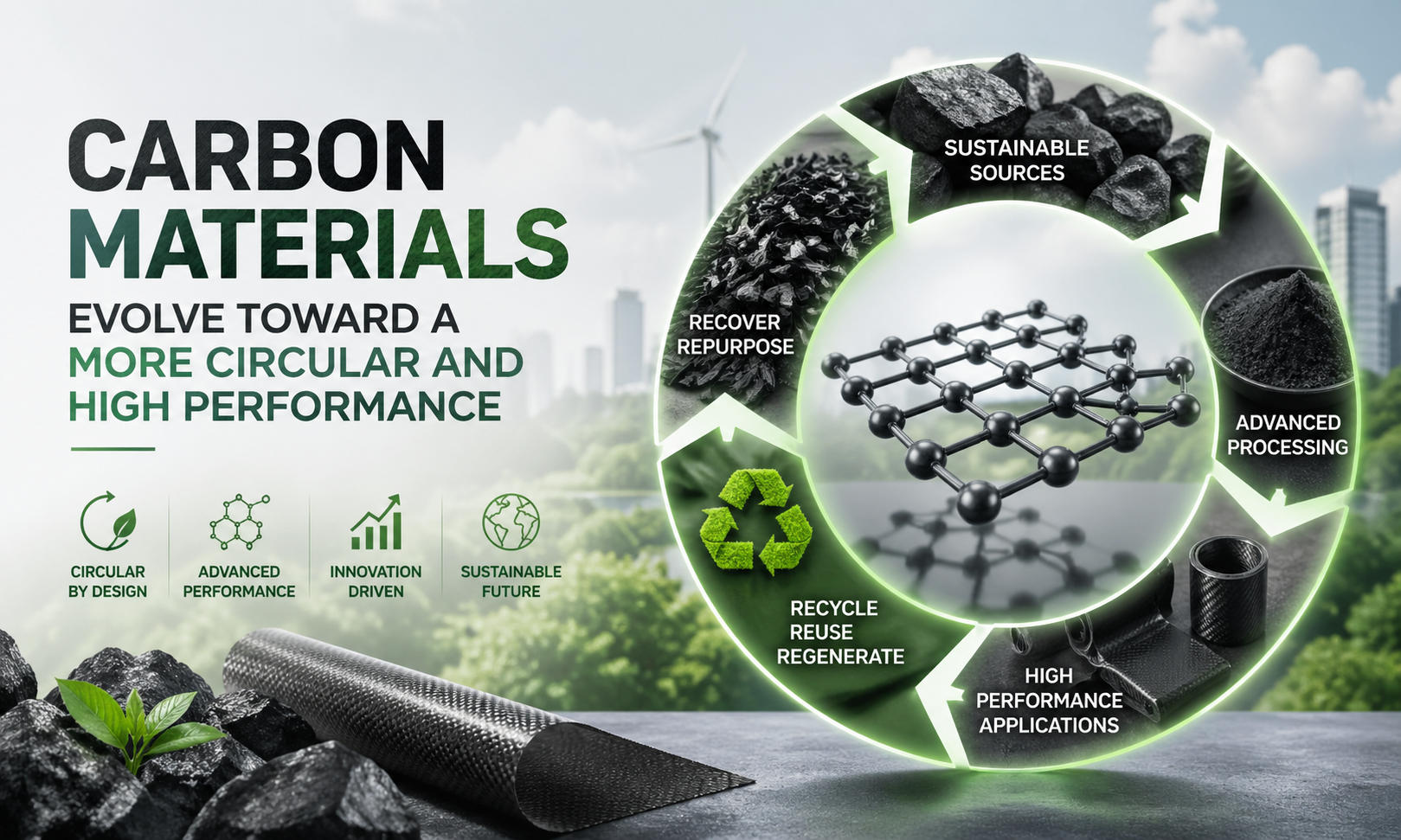
    Modern industries are no longer focused only on performance; they are equally concerned with responsibility, efficiency, and long-term sustainability. Every sector that depends on engineered materials is now exploring ways to reduce waste while maintaining high standards of durability and reliability. This shift is not just a trend but a structural transformation in how materials are designed, reused, and reintegrated into production cycles.

    At the center of this evolution are advanced carbon-based solutions, including Continua Birla Carbon, which represent a forward-thinking approach to material innovation and circular economy principles. These developments are reshaping how industries view waste, value recovery, and resource optimization in large-scale manufacturing systems.

    From Linear Consumption to Circular Material Use

    For decades, industrial production followed a simple linear model: extract, manufacture, use, and dispose. While effective in scaling global production, this approach created significant material waste and environmental pressure. Today, industries are actively moving toward circular systems where materials are recovered, processed, and reused in new applications.

    This transformation is especially important in carbon-based industries, where materials play a crucial role in enhancing product performance. Instead of treating used materials as waste, companies are finding ways to reclaim their value and reintegrate them into production cycles. This shift not only reduces environmental impact but also improves resource efficiency across the supply chain.

    The idea of circularity is not just theoretical; it is being applied in real-world manufacturing processes where recovered materials are being transformed into usable industrial inputs.

    The Science Behind Recovered Carbon Materials

    Material recovery is a highly technical process that requires precision, control, and advanced engineering. When industrial products reach the end of their life cycle, they still contain valuable carbon-based components that can be extracted and refined.

    One such development is reclaimed carbon black, which is produced by processing used rubber materials and recovering carbon content for reuse. This process helps reduce dependency on virgin raw materials while maintaining performance standards required by modern industries.

    The challenge lies in ensuring that the recovered material meets strict quality requirements. Through advanced purification and processing techniques, engineers are able to refine these materials so they can be reintroduced into manufacturing systems without compromising reliability or strength.

    Expanding Applications in Modern Manufacturing

    Recycled and recovered carbon materials are being used across a wide range of industries, each benefiting from their unique properties. In rubber manufacturing, they help improve durability and reduce production costs. In industrial coatings, they enhance performance while supporting sustainability goals.

    One of the most interesting applications is in printing and electronics, where conductive materials are essential. Here, carbon black ink plays an important role in enabling functional printing technologies used in sensors, flexible electronics, and smart packaging solutions.

    These applications demonstrate how carbon-based materials are no longer limited to traditional uses. Instead, they are becoming integral to next-generation technologies that require both conductivity and structural stability.

    Innovation Driving Sustainable Material Systems

    Sustainability in materials is no longer an optional goal; it is a core requirement for modern industries. Companies are investing heavily in research and development to create systems that reduce waste and improve lifecycle efficiency.

    Innovation in this space focuses on three key areas: material recovery, performance enhancement, and process optimization. By improving how materials are processed and reused, industries can significantly reduce environmental impact while maintaining competitive performance standards.

    Advanced technologies such as thermal recovery, chemical processing, and filtration systems are being used to extract valuable components from used materials. These innovations are helping industries move closer to fully circular production models.

    Redefining Performance Through Sustainable Materials

    One of the biggest misconceptions about recycled materials is that they compromise performance. However, modern advancements have shown that properly processed materials can meet or even exceed traditional performance benchmarks.

    Recovered carbon materials are now engineered to deliver consistent quality, making them suitable for demanding industrial applications. This includes automotive components, industrial rubber products, and high-performance coatings.

    The key lies in precise material engineering. By controlling particle size, purity levels, and structural consistency, manufacturers can ensure that recovered materials perform reliably in real-world conditions.

    Industrial Benefits of Circular Carbon Solutions

    The adoption of circular carbon systems offers multiple benefits for industries beyond environmental impact. One of the most significant advantages is cost efficiency. By reusing materials, manufacturers can reduce dependency on raw material extraction, which often involves high energy and production costs, especially in processes involving reclaimed carbon black.

    Another important benefit is supply chain stability. Recovered materials help reduce pressure on global supply networks, ensuring more consistent availability of essential industrial inputs. This is particularly important in sectors that rely on uninterrupted production cycles.

    Circular systems encourage innovation by forcing industries to rethink traditional manufacturing methods and explore more efficient alternatives.

    The Future of Carbon-Based Innovation

    The future of industrial materials lies in integration, combining performance, sustainability, and efficiency into a single system. Carbon-based materials are at the center of this transformation due to their versatility and wide range of applications.

    Emerging technologies are expected to further enhance the quality and usability of recovered materials, making them even more competitive with traditional alternatives. Artificial intelligence, process automation, and advanced material modeling are likely to play a major role in this evolution.

    As industries continue to prioritize sustainability, the demand for circular solutions will only increase, driving further innovation in this field.

    Conclusion

    The transformation of industrial materials is reshaping how industries operate, moving from traditional linear models toward more sustainable and efficient circular systems. From recovered carbon solutions to advanced conductive applications, innovation is creating new possibilities across multiple sectors, including developments in Continua Birla Carbon that support circular material advancement.

    These developments highlight the importance of balancing performance with responsibility, ensuring that industrial progress does not come at the cost of environmental impact.

    For industries seeking reliable expertise in advanced carbon solutions and sustainable material innovation, Birla Carbon continues to support global progress through forward-looking technologies and high-performance material systems designed for a more sustainable future.

  • Ensuring Perfect Play: Exploring Modern Padel Court Maintenance Services

    Ensuring Perfect Play: Exploring Modern Padel Court Maintenance Services

    Padel is now one of the fastest-growing sports in the world, and players of all levels of ability can play it. As the number of requirements of courts increases, there is a need to maintain their quality in order to achieve uniform production and player satisfaction. A well-maintained court not only enhances the gameplay, but it also extends the life span of the facility, and is a good investment that the owners and operators provide.

    To achieve such a general level of quality, a good best padel court maintenance plan would have to be chosen, which would ensure the integrity of the surface, safety, and experience as a whole. It will ensure that the players have a problem-free enjoyment of the game and lessen the risk of injuries because the courts will be well-maintained to ensure that they remain in good condition. Even with the maintenance procedures and professionalism in place, padel courts can continue to deliver miraculously in terms of their performance over time.

    Performance Matters Most When Precision Care Meets Expertise

    Consistent performance on the court depends heavily on how well it is maintained. The best padel court maintenance practices ensure durability, safety, and a high-quality playing experience for all users.

    Key Elements of Court Maintenance Excellence

    1. Surface Cleaning and Debris Removal
      Cleaning should be regularly done in order to keep the court surface clean. Dust, leaves, and debris can accumulate over time and affect the traction and the movement of balls. The benefits of professional cleaning include a seamless and even playing field and the elimination of damage over the long term. By being clean, court operators can provide a safe and enjoyable environment to players.
    2. Artificial Turf Grooming
      The Padel courts are usually lined with artificial lawn that should be landscaped regularly to retain the structure of the lawn. The infill material will be spread by raking the turf to prevent lumps. This procedure enhances the bouncing of the ball and movement of the players, which makes it a professional playing field.
    3. Glass Wall Maintenance
      The walls of padel courts are glassy. This is to keep them clean and unscratched so that they can be viewed and be safe. Regular check and cleaning can help make them transparent and structurally sound, contributing to an enhanced playing experience.
    4. Lighting System Checks
      There has to be sufficient lighting for daytime and nighttime plays. Regular inspection of lighting will ensure that there is a constant supply of light and it is not interrupted. Adequate lighting enhances visibility, and it helps players to give their best.
    5. Structural Integrity Inspections
      Such frequent inspections of court buildings avoid major problems, as minor problems are caught early on. The frames, the fences, and support structures are inspected to ensure long-term permanency and security.
    6. Drainage System Maintenance
      Adequate drainage will remove the accumulation of water on the court. This becomes easy as it is well-maintained to remove water within a short time, so that the court can be playable after it rains.

    Smart Maintenance Strategies Elevating Court Longevity and Player Experience

    Maintenance nowadays is not a simple upkeep. The innovative strategies revolve around extending life and the gamer experience, in general.

    Advanced Approaches to Modern Maintenance

    1. Scheduled Preventive Maintenance
      Preventive maintenance is linked to routine maintenance and inspection to avoid unexpected issues. This preventive approach will reduce the overall cost of repair and will ensure that there are no delays in servicing the system.
    2. Advanced Equipment
      The existing devices and tools are efficient in terms of maintenance. These tools have special brushes and cleaning machines that ensure complete and precise cleaning.
    3. Wear and Tear Monitoring
      Close monitoring can help to indicate areas of concern. Earlier stages of wear and tear are detected before they can cause any other form of damage, and hence, timely remedies are taken.
    4. Professional Expertise
      The hiring of qualified persons will ensure that the maintenance process is done well. They possess knowledge and skills that would translate into the enhancement of outcomes and long-term benefits.
    5. Eco-Friendly Maintenance Practices
      Green practices reduce the impact on the environment, yet they do not interfere with the quality of courts. Environmentally friendly materials and practices are used to create responsible maintenance.
    6. Enhancing Player Comfort
      Well-maintained courts provide a fruitful and enjoyable playing atmosphere. The floor needs to be plain, have proper lighting, and clean air, and this will increase satisfaction among the players.

    Why Consistent Care Defines the Success of Modern Sports Infrastructure

    Consistency is necessary to ensure good quality sports facilities. Courts are kept in a proper condition by cleaning regularly, and this ensures the courts are held in good shape and look appealing over time.

    Core Benefits of Regular Maintenance

    1. Extending Court Lifespan
      The regular repairs will prevent the untimely wear-out and, still, extend to the court. This not only spares the cost of coming up with replacements that are costly but also gives value over time.
    2. Ensuring Player Safety
      Safety is a first priority in sports facilities. During proper maintenance, the risks, such as collapsing floors or buildings, are reduced, or the players are assured of a secure environment.
    3. Maintaining Professional Standards
      Courts are of high quality, and this is a lure to events and players. Repairs will be made regularly to ensure that the facilities are reputable and competitive.
    4. Reducing Operational Costs
      Preventive maintenance helps to reduce the significant types of repairs and, thus, decreases the overall operation cost. This makes maintenance a feasible investment.
    5. Enhancing Aesthetic Appeal
      Properly kept and hygienic courts give a positive impression. The extent of aesthetic value is tremendous in attracting customers and players.
    6. Supporting Continuous Usage
      Courts that are in proper maintenance can support the high traffic without any impact on quality. This ensures sustained operations and an increase in revenue capacity.

    Conclusion

    A Padel sports court requires proficiency and frequency as well as sophisticated techniques. Maintenance includes regular washing and innovative solutions in offering a safe and long-lasting playing environment of high performance. Good maintenance is not only an investment to enhance player experience, but also a long-term value and efficiency.

    For those seeking a reliable padel court maintenance company in Dubai, Padel Factory stands out as a trusted name in delivering exceptional solutions. With a commitment to quality, advanced maintenance practices, and a focus on customer satisfaction, Padel Factory ensures that every court meets the highest standards of performance and durability. By choosing Padel Factory, court owners can ensure excellence, longevity, and an unmatched playing experience for every user.

  • Termite Control: Advanced Protection for Strong, Safe, and Long-Lasting Structures

    Termite Control (除白蟻) is a critical part of property maintenance, ensuring that buildings remain strong, safe, and structurally sound over time. Termites are known for causing hidden damage that often goes unnoticed until it becomes severe. A professional and systematic approach to termite control helps prevent costly repairs, protects investments, and maintains long-term structural integrity.

    What makes termite control so important for property protection?
    Termites feed on wood and cellulose-based materials, which are commonly used in construction. This makes buildings highly vulnerable if infestations are not managed early. Effective termite control helps protect structural components, reduce repair costs, and preserve property value over time. Studies in pest management consistently highlight termites as one of the most damaging pests globally.

    How do termites typically enter a building?
    Termites often enter through soil contact, small cracks in foundations, or hidden gaps in wooden structures. They can remain undetected for long periods while slowly damaging internal materials. This hidden nature makes professional termite control essential for early detection and prevention.

    What are the early signs of termite activity?
    Common indicators include hollow-sounding wood, mud tubes along walls, discarded wings, and weakened structural areas. These signs often appear when termite colonies are already active inside a structure. Early identification allows for faster intervention and reduces long-term damage risks.

    How does professional termite inspection work?
    A detailed inspection is the first step in termite control. Experts examine foundations, walls, wooden structures, and surrounding soil conditions. Advanced tools may also be used to detect hidden termite activity. This careful assessment helps determine infestation severity and guides the treatment strategy.

    What methods are used in modern termite control?
    Professional termite control uses a combination of soil treatment, baiting systems, wood protection techniques, and targeted chemical applications. These methods are designed to eliminate colonies and create protective barriers that prevent future infestations. Each method is selected based on the structure and level of infestation.

    Why is soil treatment important in termite control?
    Soil treatment creates a protective barrier around a building’s foundation. This prevents termites from entering the structure through underground pathways. It is one of the most effective long-term solutions for protecting buildings against subterranean termite activity.

    How do baiting systems help in controlling termites?
    Baiting systems attract termites to specially designed stations containing slow-acting agents. These agents are carried back to the colony, gradually eliminating the population. This method is highly effective for long-term colony control and reduces the need for widespread chemical use.

    How does termite control protect structural integrity?
    By eliminating termites early and preventing future infestations, termite control helps maintain the strength of wooden and structural components. This reduces the risk of damage to floors, walls, and foundations, ensuring long-term safety and durability of the building.

    Why is customized termite control necessary?
    Every property has different construction materials, soil conditions, and environmental factors. A customized termite control plan ensures that treatments are tailored to specific risks. This improves effectiveness and ensures long-lasting protection for each unique structure.

    How does prevention support long-term termite protection?
    Preventive measures such as regular inspections, moisture control, and sealing entry points significantly reduce termite risks. Preventive termite control ensures that conditions remain unfavorable for termite activity, helping maintain a pest-free environment over time.

    What role does technology play in termite control?
    Modern termite control uses advanced detection tools and monitoring systems to identify infestations early. These technologies improve accuracy, reduce guesswork, and allow for more targeted treatments. As a result, termite management becomes more efficient and reliable.

    How does professional termite control ensure safety?
    Professionals use regulated and carefully applied treatment methods that prioritize safety for people, pets, and the environment. Controlled application ensures effective termite elimination while maintaining a safe living and working environment.

    What are the long-term benefits of termite control?
    Long-term benefits include reduced repair costs, improved property value, and enhanced structural durability. Regular termite control also ensures peace of mind by preventing unexpected infestations and maintaining building safety.

    Conclusion
    Termite control is an essential service for protecting buildings from hidden and destructive damage. Through expert inspection, advanced treatment methods, and preventive strategies, professional termite control ensures long-term structural safety and stability. A proactive approach not only eliminates existing infestations but also provides lasting protection, helping maintain strong and secure properties for years to come.

  • Smart Exhibition Planning: How Custom Stands Elevate Brand Presence

    Smart Exhibition Planning: How Custom Stands Elevate Brand Presence

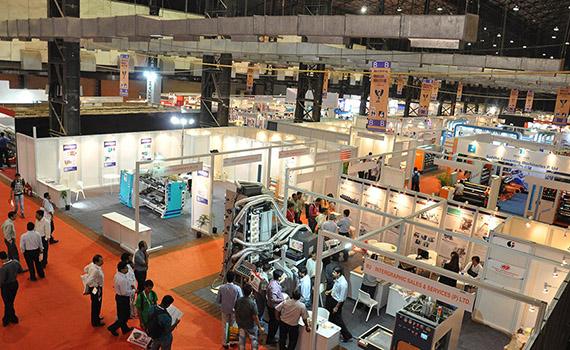
    Exhibitions remain one of the most effective platforms for businesses to connect with potential clients, partners, and industry stakeholders. Strategic participation requires more than just attending an event; it demands thoughtful planning, impactful design, and a well-structured presentation of the brand. In this environment, exhibition stand rental Dubai services play an essential role in helping businesses present their identity professionally while maintaining flexibility and cost efficiency.

    Strategic Planning for a Strong Exhibition Presence

    Successful exhibition participation begins long before the event doors open. Strategic planning ensures that every element of the stand design, layout, and visitor interaction aligns with business objectives and brand messaging. A custom stand provides the flexibility needed to adapt to specific exhibition environments while maintaining consistency in brand presentation.

    Planning involves understanding the target audience, the nature of the event, and the brand’s unique selling points. When companies approach exhibitions with a structured strategy, their display becomes more than a visual attraction; it becomes a communication tool that supports lead generation and meaningful engagement.

    Clear Brand Communication

    • A custom exhibition stand enables businesses to communicate their brand identity in a visually compelling way. Elements such as colour schemes, graphics, and messaging can be carefully integrated into the stand design to reflect the brand’s personality and values.
    • Consistent branding throughout the display helps visitors quickly recognize the company and understand its offerings. This clarity ensures that the stand does not blend into the background but instead leaves a memorable impression.

    Audience-Focused Design

    • Understanding the expectations and interests of exhibition visitors allows businesses to design spaces that attract and engage the right audience. Custom stands can incorporate product displays, interactive areas, or demonstration zones tailored to visitor needs.
    • When the stand layout encourages exploration and conversation, visitors are more likely to spend time interacting with the brand, increasing opportunities for meaningful engagement.

    Alignment With Marketing Objectives

    • Every element within an exhibition stand should support broader marketing and communication goals. Whether the focus is brand awareness, product launches, or networking opportunities, the design must align with those objectives.
    • Strategic planning ensures that the stand’s structure, visuals, and messaging work together to support the company’s long-term brand positioning.

    Visual Impact That Captures Visitor Attention

    Trade show floors are filled with competing displays, making visual impact essential for attracting visitors. Custom exhibition stands allow businesses to differentiate themselves through distinctive design, creative layouts, and thoughtful use of space. The visual presentation becomes a powerful tool for drawing attention and encouraging exploration.

    An effective display communicates professionalism while reflecting the company’s innovation and creativity. By combining aesthetics with functionality, businesses can create a stand that captures attention without overwhelming visitors.

    Distinctive Structural Design

    • Unique architectural elements such as layered panels, open structures, or elevated displays help a stand stand out in crowded exhibition halls. Custom designs allow brands to move beyond standard layouts and create visually striking environments.
    • These structural choices guide visitor movement within the space, encouraging them to interact with products and engage with representatives.

    Effective Use of Lighting and Graphics

    • Lighting plays a critical role in highlighting products, emphasizing brand colours, and directing visitor focus toward key areas. Strategic illumination can transform a simple display into a vibrant and inviting space.
    • High-quality graphics and large-scale visuals further enhance the stand’s impact by communicating the brand message quickly and clearly.

    Balanced Design and Functionality

    • While aesthetics attract attention, functionality ensures visitors can comfortably interact with the stand. Adequate space for conversations, demonstrations, and product displays creates a welcoming atmosphere.
    • A well-balanced design ensures that visual elements support visitor engagement rather than overshadow it.

    Custom Stand Solutions for Flexible Exhibition Needs

    Businesses participating in multiple trade shows often require adaptable solutions that maintain consistency while accommodating different venues. In this context, exhibition stand rental Dubai services provide a practical approach, allowing companies to use customized displays without the long-term commitment of ownership.

    Additionally, many organizations rely on exhibition booth rental options to manage logistical challenges while maintaining high-quality presentation standards. These solutions enable companies to focus on communication and engagement while experienced professionals handle design, construction, and installation.

    Cost-Effective Participation

    • Renting exhibition stands allows companies to allocate resources more efficiently while still maintaining a professional presence at trade shows. Instead of investing in permanent structures, businesses can adapt their displays to suit each event.
    • This flexibility supports participation in multiple exhibitions without excessive financial strain, making it easier for brands to expand their visibility across various markets.

    Adaptability for Different Venues

    • Exhibition venues vary widely in terms of layout, size, and visitor flow. Custom rental solutions allow stands to be modified to suit each environment while maintaining a consistent brand identity.
    • Adaptable designs ensure that the stand performs effectively regardless of the exhibition setting, providing continuity across events.

    Professional Setup and Support

    • Rental services typically include design consultation, construction, and on-site installation. This professional support ensures the stand is built safely and efficiently according to exhibition guidelines.
    • Businesses benefit from experienced teams who understand trade show logistics, allowing them to focus on networking and engagement during the event.

    Conclusion

    Exhibitions provide businesses with valuable opportunities to showcase innovation, connect with industry audiences, and strengthen brand visibility. A thoughtfully designed stand transforms a simple exhibition space into a powerful communication platform that attracts visitors and encourages meaningful interaction. Through strategic planning, creative design, and structured engagement, companies can ensure their exhibition presence reflects professionalism and purpose.

    For organizations seeking reliable exhibition support, Markable International offers specialized solutions for custom stand design, construction, and event presentation. By combining creative expertise with industry knowledge, the company helps brands create impactful exhibition experiences. Businesses exploring flexible solutions, such as exhibition booth rental, can benefit from professional guidance to ensure their trade show presence aligns with marketing goals while maintaining high standards of design and execution.

  • What Is the Best Treatment for Paralysis in India Today?

    What Is the Best Treatment for Paralysis in India Today?

    When paralysis affects a family, the immediate focus is survival getting the patient to the hospital, stabilising the condition, and managing the emergency. But once that phase passes, a much bigger question emerges:

    What is the best paralysis treatment in India today?

    The answer is not as straightforward as choosing between a hospital, home care, or a rehab centre. The real answer lies in understanding how recovery works—and choosing the right combination of care at the right time.

    Because paralysis is not just a medical condition. It is a long-term recovery journey.

    Understanding Paralysis Treatment: Beyond the Emergency

    Paralysis is most commonly caused by stroke, which affects nearly 1.8 million people in India every year. While hospital care plays a critical role in saving lives, it addresses only the acute phase.

    After discharge, patients often deal with:

    • Loss of movement on one side of the body 
    • Speech and swallowing difficulties 
    • Reduced balance and coordination 
    • Emotional and cognitive changes 

    This is where paralysis treatment shifts from emergency care to structured rehabilitation.

    The Three Common Treatment Pathways in India

    Today, most families in India explore three primary options after hospital discharge:

    • Home-based care 
    • Hospital-based extended care 
    • Rehab centres or Care Homes 

    Each of these plays a role but they are not equal when it comes to long-term paralysis recovery.

    1.   Home Care: Comfortable but Limited

    Home care is often the first choice for families. It offers emotional comfort and a familiar environment, which can be reassuring for both patients and caregivers.

    In a typical home setup:

    • A physiotherapist visits once a day 
    • A nurse may assist with basic care 
    • Family members manage daily support 

    While this works in the early stages, it has clear limitations.

    At home, recovery often lacks:

    • Structured therapy progression 
    • Continuous medical monitoring 
    • Coordination between specialists 

    This becomes a major challenge when patients require intensive and consistent therapy. As a result, many patients show initial improvement but later experience slow or incomplete paralysis recovery.

    2.   Hospital-Based Care: Essential but Not Sustainable

    Hospitals are critical during the emergency phase. They provide life-saving interventions and stabilise the patient.

    However, extended hospital stays are not always ideal for recovery because:

    • The environment is clinical, not recovery-focused 
    • Therapy sessions may be limited 
    • Long stays can be expensive 

    Hospitals are designed for acute care not long-term rehabilitation. Once the patient is stable, the focus must shift to structured recovery.

    3.   Rehab Centres: A Step Forward, But Not Always Enough

    Rehab centres have become a popular option for post-stroke care. They provide physiotherapy and basic rehabilitation services.

    However, not all rehab center setups are the same.

    Many smaller centres offer:

    • Limited therapy sessions 
    • Basic physiotherapy without multi-disciplinary support 
    • Minimal medical supervision 

    While they are better than unstructured home care, they often lack the depth required for complex neurological recovery.

    What the Best Treatment for Paralysis in India Actually Requires

    Instead of focusing on location, families should focus on what effective treatment truly involves.

    The best treatment for paralysis in India includes:

    • Early and intensive rehabilitation 
    • Multiple therapy sessions in a day 
    • Continuous monitoring of patient progress 
    • Multi-disciplinary coordination (physio, speech, occupational therapy) 
    • Doctor-led supervision 

    When these elements come together, recovery becomes structured, measurable, and more effective.

    Why Structured Care Is Emerging as the Best Approach

    Over the past few years, there has been a clear shift in India towards structured rehabilitation environments. These are often offered by professionally managed Care home setups.

    Unlike fragmented care models, structured environments provide:

    • A coordinated recovery plan 
    • Consistent therapy schedules 
    • Real-time monitoring and adjustments  Patients benefit from:
    • Faster improvement in mobility 
    • Better speech and coordination recovery 
    • Reduced risk of complications 

    This is why many experts now consider structured rehabilitation as the best paralysis treatment in India for long-term outcomes.

    The Role of Care Homes in Modern Paralysis Treatment

    A Care home today is no longer just a residential option for seniors—it has evolved into a specialised, recovery-focused environment, particularly for patients undergoing long-term rehabilitation after a paralysis event. What truly differentiates it from other care settings is the level of integration it offers. Instead of fragmented care, where therapy, medical supervision, and daily support operate in silos, a Care home brings all these elements together into a single, coordinated system.

    In such an environment, patients benefit from a structured and continuous recovery plan. This typically includes:

    • Daily physiotherapy and rehabilitation sessions aligned with recovery goals
    • 24×7 nursing care with regular monitoring of vitals and overall health
    • Ongoing doctor supervision to track neurological progress and adjust treatment
    • A safe, senior-friendly infrastructure designed to support mobility and reduce risks

    This integrated approach ensures that paralysis treatment remains consistent, proactive, and uninterrupted, which plays a critical role in improving both the speed and quality of long-term recovery outcomes.

    Care Homes vs Rehab Centres: A Practical Comparison

    While both options focus on recovery, the depth of care differs significantly.

    Smaller rehab centres often:

    • Focus mainly on physiotherapy 
    • Operate for limited hours 
    • Lack continuous supervision  Established Care Home providers:
    • Offer multi-disciplinary rehabilitation 
    • Provide round-the-clock care 
    • Follow structured recovery protocols 

    This difference becomes critical when dealing with long-term paralysis recovery.

    Why Established Providers Deliver Better Results

    In paralysis recovery, consistency and clinical expertise matter more than convenience alone.

    Established providers bring:

    • Experienced medical and therapy teams 
    • Proven, standardised recovery protocols 
    • Continuous monitoring and accountability 

    This ensures that recovery is not dependent on individual effort but guided by a reliable system.

    Smaller setups often struggle with:

    • Limited clinical depth 
    • Inconsistent therapy quality 
    • Lack of emergency support 

    For a condition as complex as paralysis, these gaps can significantly impact outcomes.

    When Should You Move Beyond Home Care?

    While home care may be suitable initially, certain signs indicate the need for structured support.

    You should consider transitioning to a Care home or the best rehabilitation centre when:

    • Recovery progress slows or plateaus 
    • The patient requires multiple therapies daily 
    • Complications become frequent 
    • Continuous monitoring is needed 
    • Family caregivers feel overwhelmed 

    Acting early can significantly improve long-term recovery outcomes.

    A Shift in Thinking: Choosing What Works, Not What Feels Easy

    Many families choose care based on comfort or convenience. But paralysis recovery requires a different approach.

    Instead of asking,

     “Where will the patient feel comfortable?”

    The better question is:

     “Where will the patient recover better?”

    Because recovery is not just about care—it is about outcomes.

    FAQs

    1. What is the best paralysis treatment in India?

    The best paralysis treatment in India involves structured rehabilitation, including physiotherapy, medical supervision, and multi-disciplinary care.

    • Is home care enough for paralysis recovery?

    Home care can support recovery initially, but it often lacks the structure and consistency needed for complete paralysis recovery.

    • How long does paralysis recovery take?

    Recovery time varies from a few months to over a year, depending on severity and quality of treatment.

    • Should I choose a rehab centre or a Care home?

    While a rehab center can provide basic therapy, a Care home offers more comprehensive and continuous care, leading to better long-term outcomes.

    Conclusion

    So, what is the best paralysis treatment in India today?

    It is not a single place or method. It is a structured approach that combines medical supervision, consistent therapy, and coordinated care.

    Home care, hospitals, and rehab centres all play a role—but for meaningful and sustained paralysis recovery, structured environments like Care Homes are increasingly proving to be the most effective solution.

    Because in the end, the goal is not just to treat paralysis.

    It is to help patients regain independence, confidence, and quality of life.

  • Strengthening Vietnam’s Financial Ecosystem Through Collaborative Platforms

    Strengthening Vietnam’s Financial Ecosystem Through Collaborative Platforms

    Across Vietnam’s financial systems, structural upgrades are no longer phased experiments. Banks are moving core operations into integrated environments where transactions, compliance checks, alongside customer interfaces operate within the same framework.

    At the center of this shift, a FSI exhibition creates a working environment where institutions test solutions against operational requirements. It is not observational. Systems are reviewed in real conditions, decisions are shaped in real time, and execution pathways become clearer.

    Vietnam’s Financial Sector at an Inflection Point

    Across the market, digital adoption is already visible in transaction behavior. Mobile usage remains high, while payment systems are shifting toward faster, contactless formats that demand reliable backend infrastructure across institutions.

    This pressure is not abstract. Within institutions, legacy systems are being replaced or layered with modular architectures that support real-time processing, along with improved data handling. Regulatory frameworks are evolving in parallel, ensuring that expansion does not introduce instability or compliance gaps.

    Bridging Policy, Technology, and Execution

    Between policy intent and implementation, friction often appears. Regulatory direction may be clear, but execution depends on how effectively institutions translate requirements into system-level changes.

    Inside structured industry platforms, that gap narrows. By placing regulators, banks, alongside technology providers in the same environment, decisions move faster. Systems are not described; they are demonstrated. Questions shift from “what is possible” to “what can be deployed now,” which changes how institutions prioritize investments.

    Core Focus Areas Driving Financial Innovation

    Across Vietnam’s financial ecosystem, several domains are shaping operational transformation. These are not independent tracks but interlinked systems that influence how institutions deliver services at scale.

    • Cloud-based banking infrastructure supporting flexible deployment

    • Regulatory technology handling reporting requirements across multiple frameworks

    • Fraud detection systems integrated with cybersecurity layers

    • AI-driven analytics applied to transaction monitoring and decision workflows

    • Payment ecosystems designed to improve accessibility across user segments

    Each area feeds into another. When integrated correctly, these systems reduce latency, improve accuracy, alongside strengthening risk control mechanisms.

    Understanding the Role of Industry Exhibitions in Financial Services

    Within financial services, exhibitions operate as controlled execution environments. They allow institutions to interact with systems that already function under real constraints, rather than reviewing conceptual presentations.

    Evaluation becomes faster. Instead of extended assessment cycles, decision-makers observe performance, question integration feasibility, alongside assess scalability in a single setting. This shortens the path between identification and implementation, especially for institutions managing multiple transformation initiatives.

    Technology Adoption in Vietnam’s Banking Landscape

    Across banking operations, modular architecture is becoming the preferred approach. Institutions are deploying systems in layers, ensuring that upgrades do not interrupt existing services while still enabling continuous improvement.

    Data sits at the center of this transition. With integrated analytics, institutions can monitor transactions, assess risks, alongside respond to customer behavior with minimal delay. This shift toward data-driven operations is not gradual; it is being executed in parallel across multiple departments.

    Key Discussion Tracks Shaping the Industry

    Inside financial platforms, discussions are structured around specific operational themes. These are not broad conversations but targeted sessions that address defined challenges within the ecosystem.

    • Cloud migration strategies combined with system resilience planning

    • Central bank digital currencies linked with payment infrastructure changes

    • Cybersecurity frameworks aligned with fraud prevention systems

    • AI applications embedded into banking workflows

    • Regulatory compliance structured around evolving governance models

    Why does this matter? Because each topic directly affects deployment decisions. Institutions are not exploring possibilities; they are identifying solutions that can be implemented within defined timelines.

    Strategic Benefits for Financial Institutions

    Within structured environments, participation delivers measurable outcomes tied to execution rather than visibility. Institutions gain clarity on systems, partnerships, alongside operational direction.

    Enhanced Decision-Making Capabilities

    By interacting with live systems, institutions evaluate performance under realistic conditions. This reduces uncertainty and allows leadership teams to move forward with clearer technical validation.

    Direct Access to Technology Providers

    Engagement happens without intermediaries. Institutions discuss integration, customization, alongside deployment specifics directly with solution providers, which accelerates evaluation cycles.

    Alignment with Regulatory Expectations

    Through direct interaction with regulatory stakeholders, institutions gain clarity on compliance requirements. This helps align internal strategies with external expectations before implementation begins.

    Insight into Market Trends

    Exposure to multiple stakeholders provides a broader view of how the market is evolving. Institutions can identify patterns, adjust priorities, alongside respond with more precision.

    The Importance of Structured Networking and Deal-Making

    Within these environments, networking is not left to chance. Interactions are scheduled, targeted, alongside aligned with specific business objectives, which changes the nature of engagement entirely.

    This is where outcomes begin. Pre-arranged meetings between institutions and solution providers create focused discussions. Instead of general introductions, conversations revolve around defined challenges, potential solutions, alongside execution timelines.

    Preparing for the Future of Financial Services in Vietnam

    Across the financial ecosystem, future readiness is being defined by integration capability. Institutions are building systems that connect across functions, ensuring that operations remain consistent as scale increases.

    Adaptation is continuous. With multiple transformation initiatives running simultaneously, institutions require environments where strategies can be validated quickly. Platforms that enable this process will continue to influence how financial systems evolve across Vietnam.

    Final Thoughts

    What separates institutions that move early from those that wait too long? Execution speed, supported by access to working systems, relevant stakeholders, alongside validated frameworks. WFIS 2026 – Vietnam brings together over 500 financial leaders, 100+ organizations, and 40+ speakers in Hanoi, creating a structured environment where discussions translate into deployment. With agenda tracks covering cloud banking, CBDCs, AI integration, along with regulatory alignment, the platform supports institutions aiming to implement a scalable banking solution in Vietnam through direct engagement, tested systems, alongside outcome-driven collaboration.

  • Pune’s Rising Enterprises Need Cloud Experts — Are You Ready?

    Pune’s Rising Enterprises Need Cloud Experts — Are You Ready?

    For years, cloud shifts across industries were just a digital movement. Today’s enterprises rely heavily on cloud-based platforms to support end-to-end operations. Pune’s expanding tech hubs are developing a cloud-based system to handle critical functions. Pune’s modern enterprises are getting cloud-driven, paving the way for effortless career growth. Techies should now focus on mastering cloud computing to lead modern enterprises. If you’re getting ready for a competitive move, pursuing a cloud computing certification Pune is worth investing in. 

    No wonder cloud computing is no longer a digital backbone for enterprises. Instead, it has become a powerhouse of intelligence. In short, career upskilling via a cloud computing professional course Pune can help you handle intricate matters and excel. This post will help you explore how cloud computing is expanding intelligence, driving alluring success. 

    Cloud Computing in Pune: A Journey Towards Digital Intelligence

    Indeed, Pune is witnessing a rapid growth of digital intelligence, scaling up overall results. Businesses in the city work together to optimise their operations to build a competitive career. Today’s businesses have shifted their focus from managing infrastructure to devising enterprise-level strategy. 

    Cloud has now become a lifeline for several businesses, ensuring smooth progress and productivity. As automation advances toward resilient digital growth, real-time decision-making through cloud mastery has become crucial for techies. This digital shift is grabbing our attention to have seamless cloud operations. 

    Pune’s rising tech hubs are inspiring techies to upskill in line with the latest cloud computing trends. The demand for cloud specialists across multiple industries is growing rapidly, underscoring the urgency of making optimised business decisions. 

    Whether it’s a high-stakes operation or a consumer business, cloud computing eases everything. Today’s digital maturity relies on cloud-based approaches and operations to lead global markets. Although latency is inevitable, modern enterprise performance relies heavily on digital trust and security. 

    Furthermore, Pune’s expanding tech hubs, MNCs, and startups are moving steadily towards building cloud infrastructure for better results. Here are the following reasons that lure companies to leading companies in Pune to master digital excellence through cloud computing. 

    Cost-saving methods for cloud infrastructure

    Businesses willing to operate with cloud platforms should consider upskilling. It enables firms to reduce infrastructure costs and maintain workflows. Techies with proven cloud mastery can handle expensive hardware and software systems to scale up their operations. Also, cloud skills help experts have seamless access to global systems. 

    Optimise hybrid work culture 

    With the changing industry trends, recent years have welcomed a hybrid work culture for various industries. Hence, firms rely on a hybrid work culture where they can connect with global clients and stakeholders for various operations. Cloud solutions enable techies to collaborate with diverse teams from anywhere in the world and handle critical operations. 

    Scalable results

    In the age of cloud-driven operations, techies should master intricate tools and systems to level up results. Firms can scale up core operations to meet industry demands and requirements. It helps firms optimise core functions to ensure everything is aligned with business goals. 

    Boost security

    Techies with vital cloud-driven skills can boost system security with compelling results. Hence, tech experts should focus on acquiring unique skills to enhance system security and deliver optimised results. Cloud-based platforms enable experts to comply with security principles and drive competitive results. 

    Encourage digital innovation

    Pune’s prime tech parks are revamping their business models to accelerate success. Techies with proven cloud mastery can enhance innovation and set the stage for hassle-free operations. Working with cloud technologies empowers experts to accelerate success, deploy faster, and deliver advantageous results. 

    Indeed, cloud adoption is no longer limited to a digital trend; it has become essential for firms in 2026. Thus, cloud computing mastery has become essential for techies to excel in their roles and grab a competitive advantage. If you’re preparing for such exciting roles in 2026, career upskilling from a reputable platform is the only way you should consider. 

    Skills to Master to Lead a Rewarding Cloud Computing Career in Pune

    Certainly, cloud computing skills have become essential for tech experts in Pune. Anyone eager to succeed in their digital-driven career should consider pursuing a cloud computing professional course Pune with notable shifts. You should consider developing unique cloud-based skills to excel in your role and thrive endlessly. 

    Here are the essential tech skills that techies should master to ensure digital excellence in Pune. 

    • Basics of cloud platforms and architecture 
    • Managing virtual containers and systems
    • Different cloud-based platforms
    • Linux overview
    • DevOps practices in the AI age
    • Cloud security and compliance 
    • Docker and Kubernetes
    • Cloud storage options and solutions 
    • Python for handling cloud-based operations
    • Continuous monitoring and inspection of systems

    In short, career upskilling from a promising training platform enables techies to face the expanding business world and build a competitive future. If you’re willing to become industry-ready for Pune’s evolving workspaces, start your learning journey today. 

    Wrapping Up!!

    Pune’s rapidly evolving industries are shifting their focus to cloud adoption. This growing reliance on cloud computing platforms enables techies to ensure smooth career progress. Hence, pursuing a cloud computing certification Pune is a notable career investment that techies should consider in 2026 to drive success.