

When paralysis affects a family, the immediate focus is survival getting the patient to the hospital, stabilising the condition, and managing the emergency. But once that phase passes, a much bigger question emerges:
What is the best paralysis treatment in India today?
The answer is not as straightforward as choosing between a hospital, home care, or a rehab centre. The real answer lies in understanding how recovery works—and choosing the right combination of care at the right time.
Because paralysis is not just a medical condition. It is a long-term recovery journey.
Understanding Paralysis Treatment: Beyond the Emergency
Paralysis is most commonly caused by stroke, which affects nearly 1.8 million people in India every year. While hospital care plays a critical role in saving lives, it addresses only the acute phase.
After discharge, patients often deal with:
- Loss of movement on one side of the body
- Speech and swallowing difficulties
- Reduced balance and coordination
- Emotional and cognitive changes
This is where paralysis treatment shifts from emergency care to structured rehabilitation.
The Three Common Treatment Pathways in India
Today, most families in India explore three primary options after hospital discharge:
- Home-based care
- Hospital-based extended care
- Rehab centres or Care Homes
Each of these plays a role but they are not equal when it comes to long-term paralysis recovery.
1. Home Care: Comfortable but Limited
Home care is often the first choice for families. It offers emotional comfort and a familiar environment, which can be reassuring for both patients and caregivers.
In a typical home setup:
- A physiotherapist visits once a day
- A nurse may assist with basic care
- Family members manage daily support
While this works in the early stages, it has clear limitations.
At home, recovery often lacks:
- Structured therapy progression
- Continuous medical monitoring
- Coordination between specialists
This becomes a major challenge when patients require intensive and consistent therapy. As a result, many patients show initial improvement but later experience slow or incomplete paralysis recovery.
2. Hospital-Based Care: Essential but Not Sustainable
Hospitals are critical during the emergency phase. They provide life-saving interventions and stabilise the patient.
However, extended hospital stays are not always ideal for recovery because:
- The environment is clinical, not recovery-focused
- Therapy sessions may be limited
- Long stays can be expensive
Hospitals are designed for acute care not long-term rehabilitation. Once the patient is stable, the focus must shift to structured recovery.
3. Rehab Centres: A Step Forward, But Not Always Enough
Rehab centres have become a popular option for post-stroke care. They provide physiotherapy and basic rehabilitation services.
However, not all rehab center setups are the same.
Many smaller centres offer:
- Limited therapy sessions
- Basic physiotherapy without multi-disciplinary support
- Minimal medical supervision
While they are better than unstructured home care, they often lack the depth required for complex neurological recovery.
What the Best Treatment for Paralysis in India Actually Requires
Instead of focusing on location, families should focus on what effective treatment truly involves.
The best treatment for paralysis in India includes:
- Early and intensive rehabilitation
- Multiple therapy sessions in a day
- Continuous monitoring of patient progress
- Multi-disciplinary coordination (physio, speech, occupational therapy)
- Doctor-led supervision
When these elements come together, recovery becomes structured, measurable, and more effective.
Why Structured Care Is Emerging as the Best Approach
Over the past few years, there has been a clear shift in India towards structured rehabilitation environments. These are often offered by professionally managed Care home setups.
Unlike fragmented care models, structured environments provide:
- A coordinated recovery plan
- Consistent therapy schedules
- Real-time monitoring and adjustments Patients benefit from:
- Faster improvement in mobility
- Better speech and coordination recovery
- Reduced risk of complications
This is why many experts now consider structured rehabilitation as the best paralysis treatment in India for long-term outcomes.
The Role of Care Homes in Modern Paralysis Treatment
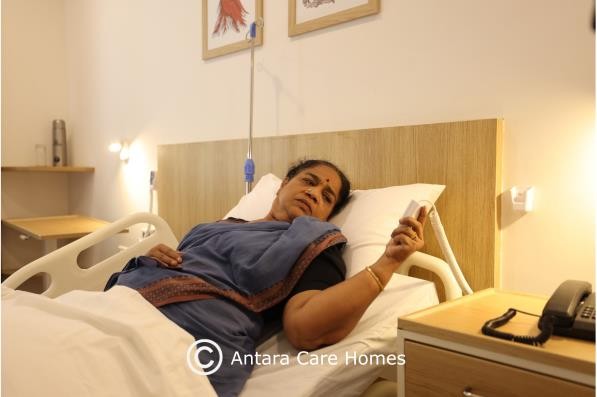
A Care home today is no longer just a residential option for seniors—it has evolved into a specialised, recovery-focused environment, particularly for patients undergoing long-term rehabilitation after a paralysis event. What truly differentiates it from other care settings is the level of integration it offers. Instead of fragmented care, where therapy, medical supervision, and daily support operate in silos, a Care home brings all these elements together into a single, coordinated system.
In such an environment, patients benefit from a structured and continuous recovery plan. This typically includes:
- Daily physiotherapy and rehabilitation sessions aligned with recovery goals
- 24×7 nursing care with regular monitoring of vitals and overall health
- Ongoing doctor supervision to track neurological progress and adjust treatment
- A safe, senior-friendly infrastructure designed to support mobility and reduce risks
This integrated approach ensures that paralysis treatment remains consistent, proactive, and uninterrupted, which plays a critical role in improving both the speed and quality of long-term recovery outcomes.
Care Homes vs Rehab Centres: A Practical Comparison
While both options focus on recovery, the depth of care differs significantly.
Smaller rehab centres often:
- Focus mainly on physiotherapy
- Operate for limited hours
- Lack continuous supervision Established Care Home providers:
- Offer multi-disciplinary rehabilitation
- Provide round-the-clock care
- Follow structured recovery protocols
This difference becomes critical when dealing with long-term paralysis recovery.
Why Established Providers Deliver Better Results
In paralysis recovery, consistency and clinical expertise matter more than convenience alone.
Established providers bring:
- Experienced medical and therapy teams
- Proven, standardised recovery protocols
- Continuous monitoring and accountability
This ensures that recovery is not dependent on individual effort but guided by a reliable system.
Smaller setups often struggle with:
- Limited clinical depth
- Inconsistent therapy quality
- Lack of emergency support
For a condition as complex as paralysis, these gaps can significantly impact outcomes.
When Should You Move Beyond Home Care?
While home care may be suitable initially, certain signs indicate the need for structured support.
You should consider transitioning to a Care home or the best rehabilitation centre when:
- Recovery progress slows or plateaus
- The patient requires multiple therapies daily
- Complications become frequent
- Continuous monitoring is needed
- Family caregivers feel overwhelmed
Acting early can significantly improve long-term recovery outcomes.
A Shift in Thinking: Choosing What Works, Not What Feels Easy
Many families choose care based on comfort or convenience. But paralysis recovery requires a different approach.
Instead of asking,
“Where will the patient feel comfortable?”
The better question is:
“Where will the patient recover better?”
Because recovery is not just about care—it is about outcomes.
FAQs
- What is the best paralysis treatment in India?
The best paralysis treatment in India involves structured rehabilitation, including physiotherapy, medical supervision, and multi-disciplinary care.
- Is home care enough for paralysis recovery?
Home care can support recovery initially, but it often lacks the structure and consistency needed for complete paralysis recovery.
- How long does paralysis recovery take?
Recovery time varies from a few months to over a year, depending on severity and quality of treatment.
- Should I choose a rehab centre or a Care home?
While a rehab center can provide basic therapy, a Care home offers more comprehensive and continuous care, leading to better long-term outcomes.
Conclusion
So, what is the best paralysis treatment in India today?
It is not a single place or method. It is a structured approach that combines medical supervision, consistent therapy, and coordinated care.
Home care, hospitals, and rehab centres all play a role—but for meaningful and sustained paralysis recovery, structured environments like Care Homes are increasingly proving to be the most effective solution.
Because in the end, the goal is not just to treat paralysis.
It is to help patients regain independence, confidence, and quality of life.