

The wellness and therapy industry has evolved significantly, shifting from basic comfort solutions to highly engineered relaxation environments. Today, design plays a crucial role in shaping how individuals experience therapy, recovery, and rejuvenation. Every element, from structure to materials, contributes to the overall effectiveness of therapeutic sessions. This transformation has made ergonomic innovation and precision engineering essential in wellness spaces.
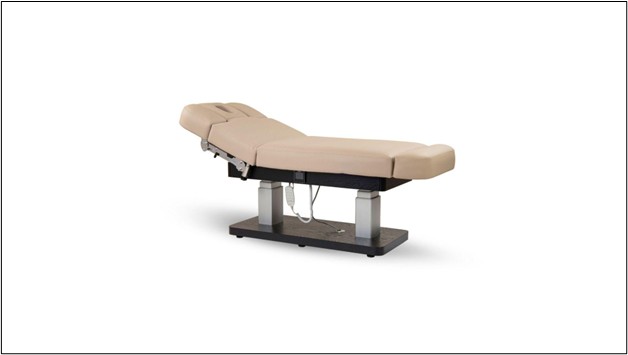
Among the most important components of this evolution are Spa Massage Tables, which serve as the foundation of professional therapy environments. These tables are no longer just functional equipment; they are carefully designed systems that enhance comfort, support posture, and improve the overall effectiveness of massage and spa treatments. Their design directly influences client satisfaction and therapeutic outcomes.
Enhancing Wellness Environments with Spa Massage Tables Designed for Ultimate Comfort and Performance
Modern therapy spaces rely heavily on ergonomically designed equipment. Spa Massage Tables are central to delivering comfort, stability, and a high-quality therapeutic experience for clients and professionals alike.
1. Ergonomic Design for Body Support
Ergonomic design is essential in ensuring proper body alignment during therapy sessions. High-quality massage tables are designed to support natural body curves, reducing pressure points and enhancing relaxation. This thoughtful construction allows therapists to work efficiently while ensuring clients remain comfortable throughout the session, improving overall treatment effectiveness and satisfaction.
2. Adjustable Features for Personalized Comfort
Modern massage tables come with adjustable height, headrests, and sections that allow customization based on client needs. These features ensure that therapists can modify the setup for different treatments, improving accessibility and comfort. Adjustable designs enhance flexibility, making therapy sessions more efficient and tailored to individual preferences.
3. Durable Materials for Long-Term Use
Durability is a key factor in professional wellness equipment. High-quality materials such as reinforced wood, aluminum frames, and premium upholstery ensure long-lasting performance. These materials not only withstand frequent use but also maintain structural integrity, making them a reliable investment for spas and therapy centers.
4. Enhanced Client Comfort Experience
Comfort is the foundation of any successful therapy session. Well-designed tables provide cushioning and support that reduce discomfort during extended treatments. Soft padding and breathable materials enhance relaxation, allowing clients to fully benefit from therapeutic services without distraction or discomfort.
5. Portability and Practical Functionality
Many modern massage tables are designed to be portable, allowing therapists to offer mobile services. Lightweight yet sturdy construction ensures easy transportation without compromising stability. This flexibility is particularly beneficial for professionals who provide on-site therapy or travel-based services.
6. Aesthetic Integration in Wellness Spaces
Beyond functionality, design aesthetics play a significant role in creating a calming environment. Stylish massage tables complement spa interiors, enhancing the overall ambiance. A visually appealing setup contributes to a more relaxing and immersive client experience.
Innovative Design Approaches in Spa Furniture for Enhanced Therapeutic Experiences
The evolution of wellness design emphasizes both functionality and aesthetics. Thoughtfully designed equipment enhances therapy outcomes and improves overall user experience.
1. Integration of Modern Technology
Advanced spa furniture now includes features like heating systems, electric adjustments, and memory settings. These technologies enhance comfort and provide a more personalized therapy experience.
2. Focus on Hygiene and Maintenance
Easy-to-clean surfaces and antimicrobial materials ensure hygiene standards are maintained. This is essential in professional wellness environments where cleanliness is a top priority.
3. Customizable Design Options
Spa furniture can be customized to match interior themes and functional requirements. Custom designs help create a cohesive and professional wellness environment.
4. Sustainability in Material Selection
Eco-friendly materials are increasingly used in spa furniture design. Sustainable choices reduce environmental impact while maintaining high performance and durability.
5. Enhanced Structural Stability
Strong frameworks ensure safety during therapy sessions. Stability is critical for both client comfort and therapist efficiency.
6. User-Centered Design Philosophy
Modern spa equipment is designed with both therapist and client needs in mind. This dual focus ensures maximum efficiency and comfort.
The Science Behind Comfort: Engineering Wellness Through Thoughtful Therapy Design
Wellness design is deeply rooted in science, combining ergonomics, psychology, and material engineering to create effective therapy environments.
1. Pressure Distribution Technology
Advanced cushioning systems help distribute body weight evenly, reducing stress on pressure points and enhancing relaxation during therapy.
2. Temperature and Sensory Comfort
Some designs incorporate temperature control features to enhance relaxation. This adds a sensory layer to therapy sessions, improving effectiveness.
3. Acoustic and Environmental Harmony
Well-designed spa environments reduce noise and distractions, creating a peaceful atmosphere that supports relaxation and healing.
4. Structural Engineering for Stability
Precision engineering ensures that spa furniture remains stable under varying loads, providing safety and reliability during use.
5. Psychological Impact of Design
A well-designed environment positively influences mental relaxation, helping clients feel more at ease during therapy sessions.
6. Enhancing Therapist Efficiency
Ergonomic designs reduce strain on therapists, allowing them to perform treatments more effectively and comfortably.
Elevating Professional Standards in Wellness Spaces Through Advanced Equipment Design
Professional wellness environments rely on high-quality equipment to maintain service excellence and client satisfaction.
1. Consistency in Service Delivery
Standardized equipment ensures consistent therapy experiences across sessions, improving service quality.
2. Improved Workflow Efficiency
Well-designed spa tools streamline therapist movements, enhancing productivity and reducing fatigue.
3. Enhanced Client Retention
Comfortable and professional environments encourage repeat visits and long-term client relationships.
4. Competitive Industry Advantage
High-quality equipment sets businesses apart in the competitive wellness industry, attracting more clients.
5. Long-Term Cost Efficiency
Durable equipment reduces maintenance and replacement costs, providing long-term financial benefits.
6. Professional Brand Image
Modern, well-designed spa setups enhance brand perception and build trust among clients.
Final Thoughts
The wellness industry continues to evolve, driven by innovation, comfort, and precision engineering. High-quality therapy equipment plays a vital role in shaping client experiences and improving professional standards. From ergonomic design to advanced functionality, every detail contributes to creating effective and relaxing therapy environments that benefit both clients and practitioners.
For businesses seeking reliable and high-performance solutions, choosing trusted Massage Bed Manufacturers is essential. SPA Furniture stands out as a leading name in delivering expertly crafted wellness equipment designed for comfort, durability, and innovation. With a commitment to quality and thoughtful design, they help wellness centers elevate their therapy experiences and create environments that truly embody relaxation and excellence.


