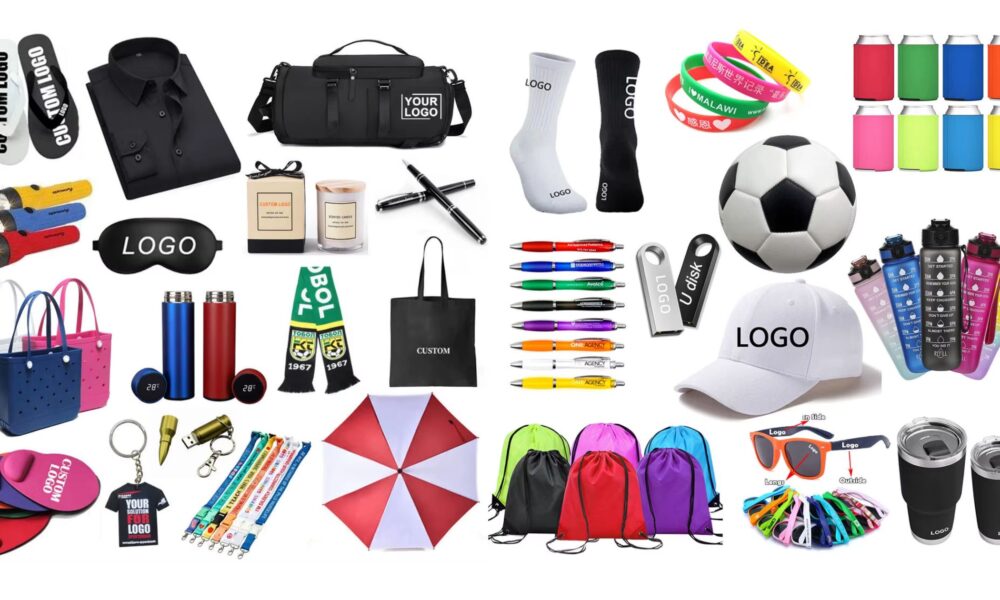

Modern consumers are exposed to advertising everywhere they go. From social media feeds to streaming platforms and outdoor billboards, promotional messages compete constantly for attention. As a result, audiences have become more selective about what they engage with and what they ignore. This shift has encouraged businesses to rethink the way they build visibility and connect with people. Instead of relying only on digital interruptions, many companies are now turning toward promotional products that create more natural and memorable interactions.
Recreational branding has emerged as one of the most effective approaches in this changing environment. Products associated with leisure, outdoor activities, and social experiences create stronger emotional connections because they are linked to enjoyment rather than interruption. When branding becomes part of a fun experience, people remember it more positively and for a much longer time.
The Decline of Attention Toward Traditional Advertising
Advertising once relied heavily on repetition. Businesses believed that the more often people saw a message, the more likely they were to remember it. While repetition still matters, audiences today have developed the habit of filtering out promotional noise.
People skip ads, block pop-ups, and scroll past sponsored content within seconds. This behavior has reduced the impact of many traditional advertising methods. Even when a campaign reaches a large audience, it does not always create meaningful engagement.
This is why businesses are shifting toward strategies that feel less intrusive. Instead of demanding attention, they are creating experiences that naturally attract participation and interaction, particularly through activities supported by custom frisbee bulk promotional campaigns that encourage active involvement rather than passive viewing.
Recreational Products Create Stronger Emotional Impact
Emotions play a major role in memory. People are far more likely to remember experiences that make them feel happy, relaxed, or entertained. Recreational products connect directly with these emotions because they are often associated with leisure and social interaction.
When a branded product becomes part of an enjoyable activity, the brand itself gains positive association. This connection feels authentic because it is built through experience rather than direct persuasion.
Outdoor games, casual sports items, and interactive products are particularly effective because they encourage people to engage physically rather than passively consume information. That engagement strengthens brand recall naturally.
The Role of Personalization in Recreational Marketing
Customization has become one of the strongest tools in modern branding because it creates emotional ownership. Personalized products feel more meaningful, which increases the likelihood that people will keep and use them regularly.
For example, a custom frisbee with picture design transforms a simple recreational item into something personal and memorable. Whether used for events, celebrations, or brand campaigns, personalized recreational products create stronger emotional attachment than generic merchandise.
This attachment increases product lifespan and ensures that the associated branding continues to receive exposure over time.
Recreational Branding and Event Marketing
Events provide one of the strongest opportunities for recreational branding because they combine visibility, participation, and social interaction in a single environment.
At outdoor events or company gatherings, recreational products encourage engagement between attendees. People naturally interact with the product, which extends brand visibility across the entire event space.
This type of engagement is far more memorable than static banners or posters because it involves direct participation. The audience does not just see the brand, they experience it.
The Future of Experiential Brand Promotion
As audiences continue to ignore traditional advertising formats, experiential branding will become even more important. Businesses are recognizing that engagement matters more than exposure alone.
Recreational products represent a practical form of experiential marketing because they combine interaction, entertainment, and visibility in one solution. They allow businesses to connect with audiences in ways that feel genuine and memorable.
This shift reflects a broader change in marketing philosophy. Instead of simply promoting products or services, brands are now creating experiences that audiences enjoy and remember.
Conclusion
Recreational branding succeeds because it transforms marketing into an experience rather than an interruption. By connecting brands with enjoyment, movement, and social interaction, recreational products create stronger emotional associations and more lasting visibility than many traditional advertising methods, especially through engaging options like custom frisbee bulk campaigns that combine fun with consistent brand exposure.
This is where companies like BRAVA Marketing Promotions continue to support businesses by turning simple recreational products into engaging brand experiences that leave lasting impressions far beyond the moment of interaction.