
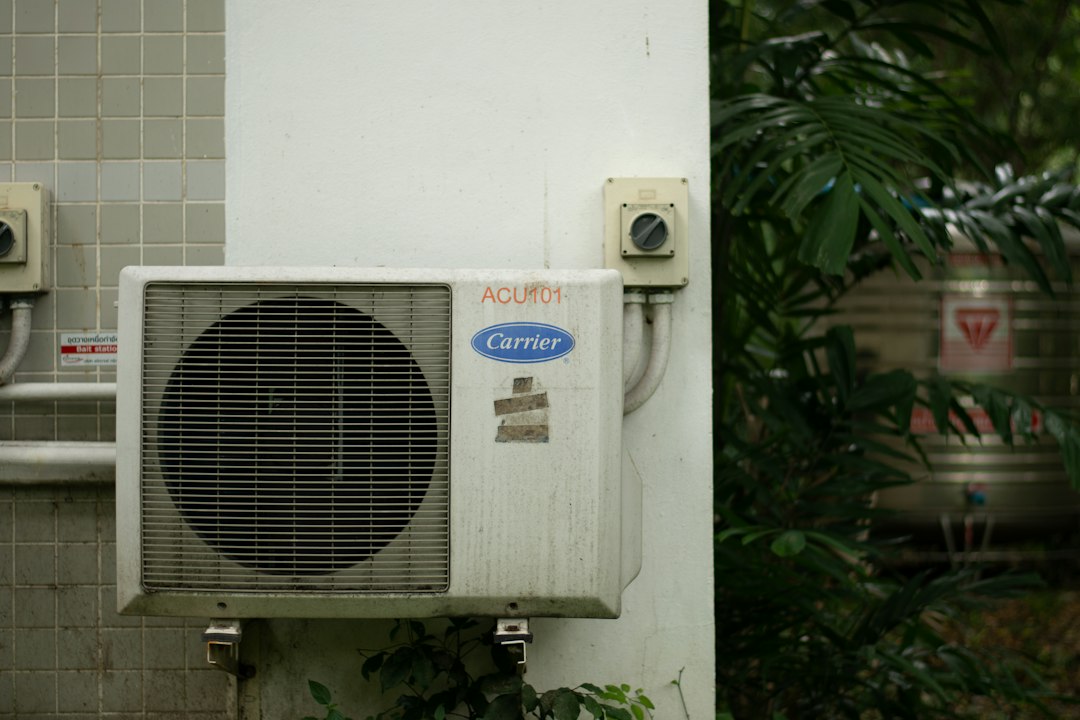

A dependable cooling system is an important part of maintaining a comfortable home, especially when outdoor temperatures place greater demand on air-conditioning equipment. Small changes in performance can sometimes provide an early indication that something needs attention. For homeowners researching AC Repair Ventura County, understanding how cooling systems behave, what warning signs mean, and when professional service becomes appropriate can make maintenance decisions more straightforward. A practical approach focuses on diagnosis, safety, efficiency, and long-term reliability rather than simply responding after a complete breakdown.
Table of Contents
- What does an AC repair service actually address?
- Why might an air conditioner run but fail to cool effectively?
- What does frequent cycling indicate?
- Why does an air conditioner freeze?
- What causes water to appear near an indoor AC unit?
- How important is thermostat performance?
- Does outdoor-unit cleanliness matter?
- What are signs of an electrical AC problem?
- How does airflow affect indoor comfort?
- Can maintenance help extend equipment reliability?
- What information should a homeowner provide during a repair visit?
- Is a complete system replacement always necessary?
- How can homeowners prepare for a repair appointment?
- What makes professional AC service valuable?
- What should homeowners consider after an AC repair?
- Final perspective
What does an AC repair service actually address?
AC repair covers the diagnosis and correction of problems affecting cooling equipment. The specific work depends on the symptoms and the condition of the system. Some repairs may involve electrical components, airflow restrictions, mechanical parts, drainage systems, controls, or other equipment-related concerns.
Because several different problems can produce similar symptoms, professional diagnosis is important. For example, a system that does not cool properly could have an airflow problem, a component malfunction, a thermostat issue, or another underlying condition.
A repair service should therefore begin with evaluation rather than immediately replacing a part. Identifying the actual cause helps avoid unnecessary work and provides homeowners with a clearer understanding of the system’s condition.
Why might an air conditioner run but fail to cool effectively?
Operation does not always mean effective cooling. An air conditioner can continue running while delivering less cooling than expected.
Several factors can contribute to this situation. A restricted filter may reduce airflow, while dirty coils can interfere with heat transfer. Mechanical or electrical problems may also affect performance. Refrigerant-related conditions are another possibility, although they require professional evaluation.
Homeowners should pay attention to whether the issue affects the entire house or only certain rooms. Uneven cooling may provide additional clues about airflow, ductwork, insulation, or equipment performance.
Rather than repeatedly lowering the thermostat, homeowners should consider arranging an inspection when the system consistently fails to provide the expected level of cooling.
What does frequent cycling indicate?
Frequent cycling means the system starts and stops more often than expected. Some cycling is normal because equipment must periodically adjust to indoor temperature. However, unusually short operating cycles may indicate a problem.
Possible contributing factors include thermostat concerns, airflow restrictions, equipment sizing, control problems, or other system conditions. The surrounding environment can also influence how frequently an air conditioner operates.
Repeated cycling can make indoor temperatures less consistent and may increase mechanical demand. A professional assessment can determine whether the pattern is caused by an equipment problem or another factor.
Why does an air conditioner freeze?
Ice accumulation on an air-conditioning component is not generally something homeowners should ignore. Several conditions can contribute to freezing, including restricted airflow or refrigerant-related problems.
A homeowner may notice ice on visible sections of the equipment or experience a significant reduction in cooling. Continuing to operate a system while it is frozen may worsen the situation.
The safest approach is to follow manufacturer guidance and arrange professional evaluation. The technician can determine why freezing occurred rather than treating the ice as the primary problem.
What causes water to appear near an indoor AC unit?
Air conditioning naturally produces condensation as warm indoor air passes through the cooling system. This moisture is normally directed away through an appropriate drainage pathway.
If water begins collecting where it should not, the drainage system may require attention. A clogged drain, damaged component, installation-related issue, or other condition may interfere with proper water removal.
Homeowners should not assume that every water leak has the same cause. Prompt inspection can help prevent moisture from affecting nearby walls, flooring, insulation, or other household materials.
How important is thermostat performance?
The thermostat acts as an important control point for the cooling system. If temperature readings are inaccurate or communication between the thermostat and equipment is disrupted, the system may not operate as expected.
Homeowners may notice inconsistent room temperatures, unexpected cycling, or an inability to maintain the selected setting. Before assuming the entire air conditioner has failed, it is useful to consider whether the control system is functioning properly.
Modern thermostats can include additional features and settings that influence operation. Professional service can help determine whether the thermostat, wiring, or another component is contributing to the problem.
Does outdoor-unit cleanliness matter?
Yes. The outdoor portion of a cooling system needs adequate airflow around it. Leaves, vegetation, dirt, and accumulated debris can interfere with normal operation.
Homeowners can help by keeping the surrounding area reasonably clear while following safety precautions. However, internal cleaning and technical servicing should not be attempted without appropriate knowledge.
The outdoor unit contains components that can be damaged by improper cleaning methods. Professional maintenance can provide a more thorough inspection and identify concerns that are not visible from the outside.
What are signs of an electrical AC problem?
Electrical concerns can present through several symptoms, including unusual buzzing, repeated breaker trips, failure to start, intermittent operation, or unexpected shutdowns.
These symptoms should be treated carefully because air-conditioning systems contain electrical components that can be hazardous. Homeowners should not remove panels or attempt unfamiliar electrical repairs.
If a breaker repeatedly trips when the air conditioner operates, simply resetting it again and again is not a reliable repair strategy. Repeated trips may indicate an underlying electrical or equipment-related problem that requires professional evaluation.
How does airflow affect indoor comfort?
Airflow determines how effectively conditioned air moves through a home. If airflow is reduced, some rooms may feel comfortable while others remain noticeably warmer.
A dirty filter is one common possibility, but duct restrictions, blower performance, coil condition, or other factors can also influence air movement. The location and pattern of the problem can provide useful information during diagnosis.
Homeowners should avoid blocking supply vents and return pathways with furniture or household objects. Maintaining unobstructed airflow helps the system distribute conditioned air more effectively.
Can maintenance help extend equipment reliability?
Regular maintenance cannot eliminate every possible failure, but it can help identify developing concerns and maintain important operating conditions.
A professional maintenance visit may include inspection of major components, airflow evaluation, electrical checks, drainage review, and general performance assessment. The exact procedure depends on the equipment and service requirements.
Maintenance is particularly useful because technicians can identify changes that may not yet be obvious to homeowners. Addressing a developing concern early can sometimes reduce disruption during periods when cooling demand is high.
What information should a homeowner provide during a repair visit?
Clear observations can help a technician understand the problem more efficiently. Homeowners should describe when the issue started, what changed, and whether the system operates differently at certain times.
Useful observations can include unusual noises, temperature changes, weak airflow, water accumulation, unusual odors, frequent cycling, or repeated shutdowns.
If the homeowner recently replaced a filter, adjusted settings, or noticed an electrical event, that information may also be relevant. A detailed description does not replace professional diagnosis, but it can provide valuable context.
Is a complete system replacement always necessary?
No. A repairable problem does not automatically mean the entire system needs replacement. The appropriate option depends on the equipment’s age, overall condition, repair requirements, operating performance, and future reliability considerations.
When a system is relatively healthy, repairing an isolated problem may be a reasonable approach. If major components have deteriorated or repair needs are recurring, homeowners may want to discuss longer-term alternatives.
A professional evaluation should explain the condition of the system rather than making assumptions based solely on its age.
How can homeowners prepare for a repair appointment?
Before the appointment, homeowners can document symptoms and note when they occur. Checking the accessible air filter and ensuring that vents are not blocked can also provide useful preliminary information.
Homeowners should avoid disassembling equipment to investigate the cause. Doing so can create safety risks or complicate the diagnostic process.
It can also be helpful to have information about the equipment’s model and service history available. These details may assist the technician in understanding the system and its previous maintenance.
What makes professional AC service valuable?
Professional service provides access to specialized diagnostic equipment, technical knowledge, and experience with different cooling-system conditions. These resources help distinguish between symptoms and underlying causes.
A qualified technician can evaluate the system as a complete unit rather than focusing only on the most obvious symptom. This broader approach can help identify related problems and provide homeowners with a more complete understanding of the repair.
Clear communication is equally important. Homeowners should receive understandable information about what was found and what corrective work is recommended.
What should homeowners consider after an AC repair?
After a repair, homeowners should monitor system performance. Consistent airflow, stable indoor temperatures, normal operating sounds, and appropriate cycling can indicate that the system is functioning as expected.
If the same symptom returns shortly after service, homeowners should report it rather than continuing to operate the equipment without investigation. Recurring symptoms can sometimes indicate a separate issue or an unresolved underlying condition.
Keeping records of repairs and maintenance can also help homeowners understand the equipment’s history over time.
Final perspective
Air-conditioning repair is easier to manage when homeowners understand the difference between normal operation and warning signs. Changes in airflow, cooling performance, operating patterns, sounds, odors, or moisture should receive appropriate attention rather than being dismissed automatically.
Routine maintenance, responsible homeowner observation, and professional diagnosis can work together to support dependable cooling. Instead of waiting for complete equipment failure, homeowners can use early warning signs as opportunities to investigate potential concerns and maintain a more comfortable home environment.

