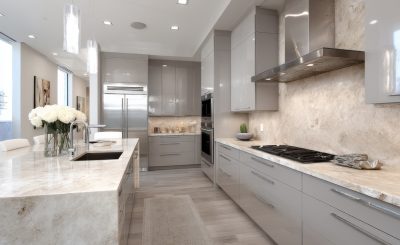


In California’s evolving housing landscape, adu remodeling has become one of the most practical and rewarding home improvement trends. Accessory Dwelling Units (ADUs)—sometimes called backyard cottages, in-law suites, or secondary units—offer flexibility, comfort, and added value to any property. For homeowners across the state, an ADU represents more than extra square footage; it’s an opportunity to expand lifestyle possibilities while embracing sustainable urban growth.
Whether you’re creating a guest retreat, a rental unit, or a private office, a well-planned ADU remodel blends efficiency and aesthetics in ways that enhance both the home and community.
Why ADUs Are Gaining Popularity in California
Rising housing costs and flexible work lifestyles have made ADUs a cornerstone of modern California living. With zoning reforms and incentives supporting small-scale development, homeowners can now remodel existing garages, basements, or detached structures into fully functional living spaces.
An ADU remodel provides:
- Additional income: Renting out an ADU offers steady revenue in high-demand housing markets.
- Multigenerational living: Families can accommodate parents or adult children while maintaining privacy.
- Increased property value: A professionally designed ADU can boost home resale value by 20–30%.
- Adaptability: Spaces can shift over time—from guest suites to home offices or creative studios.
As California communities prioritize sustainable housing solutions, ADU remodeling delivers a balance of affordability and environmental responsibility.
Step 1: Evaluate Existing Structures
Before beginning an ADU remodel, it’s essential to assess what already exists. Many California homeowners start with garage conversions, which often provide solid foundations and easy access to utilities.
A licensed contractor will inspect structural integrity, electrical systems, plumbing, and insulation. Ensuring the building meets seismic and fire safety codes is particularly important in regions like Sacramento and the Bay Area.
Depending on condition, remodels may involve reinforcement, insulation upgrades, and foundation leveling before interior work begins.
Step 2: Designing for Function and Comfort
Space efficiency defines every successful ADU remodel. Designers often use open-concept layouts, multipurpose furniture, and strategic lighting to make small areas feel spacious and inviting.
For example:
- Loft beds maximize vertical space.
- Foldable tables double as desks or dining areas.
- Large windows enhance ventilation and natural light, essential in California’s sunny climate.
Incorporating soundproofing, energy-efficient windows, and proper insulation ensures comfort year-round, while skylights or clerestory windows add architectural interest.
Step 3: Sustainability and Energy Efficiency
Environmental responsibility is a hallmark of modern California construction. ADU remodeling often includes solar panels, energy-efficient HVAC systems, and low-flow plumbing fixtures. Materials such as bamboo flooring, recycled glass countertops, and low-VOC paints enhance both sustainability and indoor air quality.
LED lighting, insulated walls, and Energy Star appliances minimize utility costs, helping homeowners align with California’s green building initiatives.
These upgrades aren’t just environmentally conscious—they also reduce long-term maintenance and operating costs.
Step 4: Interior Design That Expands Space
The right design approach can make compact ADUs feel expansive. Neutral color palettes, built-in cabinetry, and seamless transitions between indoor and outdoor spaces amplify light and openness.
Sliding glass doors and patios connect the unit with the backyard, creating a private oasis perfect for relaxation or entertaining. Mirrors, continuous flooring, and minimalist furnishings further enhance the illusion of space.
Step 5: Permitting and Legal Considerations
California has simplified ADU regulations significantly, but compliance remains essential. Homeowners should confirm zoning requirements, size limits, and setback rules with their local jurisdiction.
Professional ADU Remodeling Contractors handle permitting, design approvals, and utility hookups, streamlining what can otherwise be a complex process. These specialists also ensure the remodel adheres to Title 24 energy standards and accessibility guidelines.
Step 6: Cost and Timeline Expectations
The cost of remodeling an ADU in California varies depending on size, materials, and existing conditions. Garage conversions typically range from $80,000 to $150,000, while detached ADU remodels can exceed $200,000 for high-end finishes.
Timelines generally span 3–6 months, depending on design complexity and permitting schedules. Proper planning, clear communication with contractors, and prompt decision-making help projects stay on track.
While the investment is significant, the long-term financial and lifestyle returns make it one of the smartest property improvements available today.
Step 7: Real-World Example
A Sacramento homeowner converted a detached 400-square-foot garage into a modern studio ADU featuring a kitchenette, full bath, and compact living space. The remodel used sustainable materials and solar panels, achieving near net-zero energy use.
After completion, the ADU served as a short-term rental, generating steady monthly income while providing flexibility for visiting family. It became a model for functional design and sustainability in a compact footprint.
Step 8: The Future of ADUs in California
As demand for flexible housing grows, ADUs will continue to shape neighborhoods across California. They allow cities to increase housing density without sacrificing character or green space.
In addition, homeowners gain autonomy—transforming unused spaces into valuable assets that evolve with changing family or financial needs. From remote workspaces to guest cottages, ADUs embody adaptability for the future.
Step 9: Finding Local Expertise
Working with qualified professionals ensures that your ADU remodel meets structural, aesthetic, and regulatory standards. Local experts understand California’s permitting processes and can recommend efficient design solutions suited to your property’s layout.
For reliable remodeling specialists, designers, and builders, explore California B2B companies. This directory connects homeowners with experienced professionals who deliver high-quality ADU transformations across the state.
Conclusion
ADU remodeling represents the best of modern California living—efficient, sustainable, and versatile. With thoughtful design, proper planning, and professional execution, homeowners can unlock the hidden potential of their properties while contributing to their community’s housing future.
By embracing adu remodeling, Californians are not just adding space—they’re creating opportunity, independence, and enduring value right in their own backyards.