

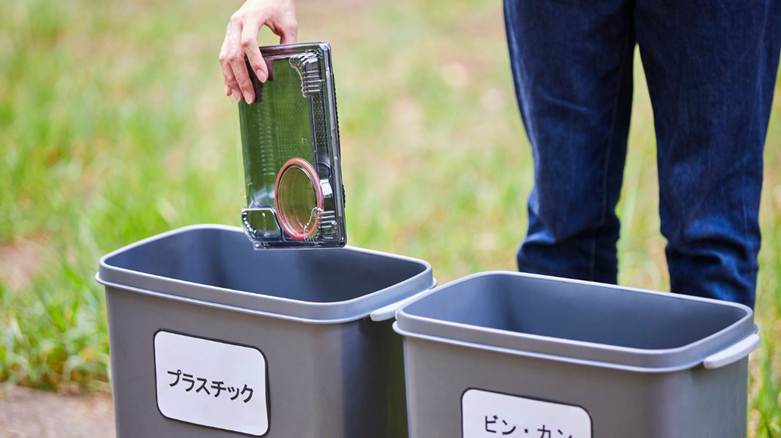
The rapid advancement of technology has led to a surge in electronic device usage worldwide. With every new smartphone, laptop, or gadget introduced, older electronics often become obsolete, contributing to an ever-growing problem of e-waste management. Managing this waste is not merely a logistical challenge, it is a pressing environmental concern.
Improper disposal of electronics can release hazardous substances such as lead, mercury, and cadmium into the soil and water, posing severe health risks. Therefore, implementing efficient strategies for handling electronic waste is essential to safeguard both ecosystems and human health.
Key Principles of Effective Waste Handling
To address the complexities of e-waste management, several guiding principles have emerged:
- Segregation at Source: Separating electronic waste from regular household or industrial trash prevents contamination and simplifies recycling processes. Designating specific bins for electronics in offices, commercial establishments, and residential areas can streamline collection efforts.
- Collection and Transport: Safe transportation is crucial to avoid environmental contamination. Licensed collectors and transporters use specialized vehicles to handle hazardous components securely.
- Recovery and Recycling: Once collected, electronic waste undergoes careful dismantling, allowing valuable metals and materials to be extracted. Components that cannot be reused are processed using environmentally safe methods to minimize pollution.
The convergence of these principles ensures that electronic waste is managed effectively, reducing environmental hazards and supporting a circular economy.
Environmental and Economic Impacts
Improper handling of electronic waste can have far-reaching consequences:
- Soil and Water Contamination: Heavy metals and toxic chemicals from discarded electronics can seep into the soil, affecting plant life and contaminating water sources.
- Air Pollution: Burning e-waste releases harmful gases, contributing to air pollution and respiratory problems.
- Resource Depletion: Valuable materials embedded in electronics are often lost when devices are discarded improperly. Recycling helps conserve these finite resources.
For example, some countries mandate the return of electronic items to authorized collection centers, promoting accountability and e-waste management, and encouraging sustainable practices across communities.
Steps in a Responsible Disposal Process
An efficient electronic waste handling system typically follows a stepwise approach:
- Collection Points: Establish accessible collection centers across neighborhoods and industrial areas.
- Sorting and Categorization: Separate electronics based on type and potential for reuse or recycling.
- Dismantling and Material Recovery: Recover precious metals, plastics, and other reusable components.
- Safe Disposal of Non-Recyclables: Treat hazardous residues in compliance with environmental regulations.
These steps help create a structured framework for e-waste disposal, emphasizing both safety and sustainability.
Promoting Corporate Responsibility
Businesses play a pivotal role in implementing robust e-waste solutions. Large corporations and IT firms generate significant amounts of electronic waste, and their engagement is critical. By adopting responsible disposal practices, companies can:
- Reduce their environmental footprint.
- Comply with national and international regulations.
- Enhance brand reputation as environmentally conscious organizations.
- Encourage employees to adopt sustainable habits in both professional and personal spheres.
Corporate participation amplifies the impact of community-wide initiatives, reinforcing the importance of environmental stewardship.
Advanced Technological Interventions
Modern innovations have revolutionized how electronic waste is managed. Automation, AI-based sorting systems, and advanced recycling technologies have significantly improved efficiency and safety. For instance, AI-enabled machines can identify and segregate components at high precision, minimizing human exposure to toxic materials.
By integrating these technologies, recycling facilities can maximize resource recovery, reduce environmental impact, and ensure worker safety. These solutions also pave the way for smarter, more sustainable urban waste management systems.
Focus on Local Solutions in Dubai
Dubai has emerged as a hub for innovative environmental initiatives. To tackle the growing e-waste challenge, several organizations have introduced e-waste management solutions in Dubai.
- Collection Centers: Strategically located facilities accept a wide range of electronic devices, from household gadgets to large industrial equipment.
- Door-to-Door Pickup Services: Some providers offer scheduled pickups, enhancing convenience for busy residents and offices.
- Corporate Partnerships: Specialized services cater to IT firms and large enterprises, helping them manage bulk electronic waste efficiently.
- Recycling and Recovery: Advanced plants ensure that hazardous materials are processed safely, while reusable components are recovered for resale or repurposing.
These solutions not only address environmental concerns but also contribute to Dubai’s vision of sustainable urban development.
Strategies for Businesses and Residents
For effective waste handling, both individuals and businesses can adopt strategic measures:
- Regular Device Audits: Keep track of electronic assets and schedule timely disposal of obsolete items.
- Use Authorized Collection Channels: Avoid informal disposal methods that could harm the environment.
- Educate Staff and Community: Organize workshops and information sessions to highlight the importance of responsible recycling.
- Implement Take-Back Programs: Encourage customers to return old electronics in exchange for discounts or rewards.
These strategies promote sustainability while minimizing environmental risks associated with electronic waste.
Innovative Recycling Techniques
Recycling processes continue to evolve with technological advancements. Modern techniques focus on maximizing resource recovery while minimizing environmental harm:
- Mechanical Recycling: Uses shredders, crushers, and sieves to separate materials.
- Chemical Processing: Extracts metals and other valuable components using environmentally safe chemicals.
- Thermal Treatment: Converts certain materials into energy while controlling emissions.
These approaches improve efficiency, reduce landfill pressure, and ensure compliance with strict environmental standards.
Policy and Regulatory Framework
Government policies and regulations provide the foundation for responsible electronic waste practices. Dubai, for instance, has established comprehensive guidelines for e-waste handling, ensuring that both public and private entities adhere to high environmental standards. Regulatory frameworks typically cover:
- Licensing and certification of collection and recycling entities.
- Mandatory reporting and documentation.
- Environmental and safety compliance audits.
- Penalties for illegal disposal or non-compliance.
By aligning with regulatory standards, organizations mitigate legal risks while contributing to sustainable urban development.
Conclusion
Efficient electronic waste handling is essential for environmental protection, public health, and sustainable resource management. By following structured disposal protocols, leveraging advanced technologies, and promoting community awareness, both individuals and organizations can contribute to a cleaner, greener future. Specialized services offering e-waste management solutions in Dubai have made responsible recycling convenient, safe, and effective for residents and businesses alike.
For those seeking reliable and professional support, Planet Green Recycling (L.L.C.) provides comprehensive electronic waste disposal and recycling services. Their eco-friendly practices, certified processes, and customer-focused approach make them a trusted partner in creating a sustainable environment. Partnering with experts like Planet Green ensures that your electronic waste is managed responsibly, contributing to a healthier planet.
